Your ceiling mould keeps returning because you are only treating what you can see.
Most homeowners across Newcastle and the Central Coast have scrubbed that same dark patch more than once. Bleach removes the stain, the ceiling looks clean for a couple of weeks, and then the mould creeps right back.
This article explains why mould keeps coming back on ceilings and walls after cleaning, what is actually happening beneath the surface, and the only treatment approach that stops the cycle.
Dealing with recurring ceiling mould? Book a free mould inspection to find the source, or learn how professional mould removal treats what DIY products miss.
Why Mould Keeps Coming Back on Your Ceiling After Cleaning
Mould is not a stain. It is a living organism with roots called hyphae that grow deep into the plaster, paint and substrate of your ceiling.
When you wipe the surface with bleach or a supermarket spray, you remove the visible colony. The root network embedded in the material stays completely intact and begins regenerating within days.
New surface growth, particularly mould in bathrooms and wet areas, typically reappears within two to six weeks. This is why the mould returns to the same spot, same shape, same size.
Mould spores are microscopic and exist in every indoor environment. They only need moisture and an organic surface to colonise. Plasterboard ceilings provide both, which is why they are one of the most common locations for mould growth in Australian homes.
But the roots are only half the problem. The other half is moisture.
Something is keeping that section of ceiling damp enough for the colony to survive and regrow after every clean. Until that moisture source is identified and fixed, your mould cleaning will keep failing.
Five Moisture Sources That Feed Ceiling Mould
If your bathroom ceiling mould keeps coming back, one of these moisture sources is almost certainly responsible.
- Roof leaks. Even a minor crack in a tile or worn flashing allows rainwater to seep into the ceiling cavity. The plasterboard absorbs it and stays damp for days after rain stops.
- Bathroom exhaust fans venting into the ceiling cavity. Many Australian homes have exhaust fans that dump steam directly into the roof space instead of outside. This is one of the most common causes of bathroom ceiling mould in the Hunter Valley and Lake Macquarie. If the duct terminates inside the roof cavity rather than at an external vent, every shower pumps litres of moisture directly onto the timber framing and plasterboard above.
- Condensation from poor ventilation. Warm, humid air rises and meets a cold ceiling surface. Water droplets form. In homes with limited airflow and poor ventilation, this happens nightly during winter. The cycle intensifies through the colder months as the temperature gap between heated indoor air and the uninsulated ceiling widens.
- Leaking pipes in the ceiling space. Slow drips from pipes running through the ceiling cavity can soak plasterboard for months before mould appears on the surface below.
- Inadequate roof insulation. Without proper insulation, the temperature difference between the roof cavity and the living space creates a condensation zone directly on the ceiling surface. The Australian Government’s YourHome guide confirms that condensation management is the primary factor in ceiling mould control.
DIY mould removal products do not address any of these causes. Spraying the surface while the moisture source above continues is like mopping a floor while the tap is still running.
Why DIY Ceiling Mould Removal Always Fails
Many homeowners across Port Stephens and the Central Coast reach for bleach, white vinegar or tea tree oil when they spot ceiling mould. The surface clears up within an hour and the problem appears fixed.
It is not fixed.
| Factor | DIY (Bleach/Vinegar) | Professional Treatment |
|---|---|---|
| Surface mould removed | Yes | Yes |
| Root structure (hyphae) eliminated | No | Yes |
| Moisture source identified | No | Yes |
| Spore containment during treatment | No | Yes |
| Prevention applied | No | Yes |
| Guarantee | None | 12 months |
Bleach is a surface bleaching agent. It whitens the visible mould but cannot penetrate the substrate where the root structure lives. Other household treatments like hydrogen peroxide face the same limitation.
Vinegar and tea tree oil have mild antifungal properties on contact. They evaporate before reaching hyphae embedded in plasterboard, leaving the colony intact beneath the surface.
Scrubbing mould without containment also creates a secondary problem. Every brush stroke sends thousands of microscopic spores into the air, where they settle on other surfaces and start new colonies.
What Happens When Ceiling Mould Keeps Returning
Recurring mould causes more damage than most homeowners realise. Each cycle of growth and cleaning weakens the ceiling and affects the air quality below.
Structural Damage
- Plasterboard weakens as the mould breaks down organic compounds in the material
- Paint blisters, peels and discolours permanently
- The affected area expands with each recurrence as hyphae spread through the substrate
- Severely damaged plasterboard may need full replacement rather than treatment
Air Quality Impact
- Airborne spore counts increase in the room with each growth cycle
- Residents may experience respiratory symptoms, nasal congestion or eye irritation
- People with asthma or compromised immune systems are more sensitive to elevated spore levels
- If you notice black mould forming on your ceiling, have it professionally assessed as some species produce mycotoxins that affect indoor air quality
The ABCB Condensation in Buildings Handbook confirms that condensation-related mould in Australian homes is directly linked to ventilation and insulation deficiencies. Leaving these unaddressed means the mould returns faster and grows more aggressively each time.
Ignoring recurring ceiling mould does not save money. What starts as a straightforward mould treatment can become a costly ceiling replacement if the plasterboard deteriorates beyond repair.
Surface Mould vs Mould Hidden in the Ceiling Cavity
The dark patch on your ceiling is often the visible edge of a much larger colony. When mould grows through plasterboard, the main body sits on the cavity side, hidden from view and far larger than the stain below suggests.
| Feature | Surface Mould | Cavity Mould |
|---|---|---|
| Visibility | Staining on the painted face of the ceiling | Hidden on the back of the plasterboard, timber framing or insulation batts |
| Extent | Usually limited to the area you can see | Often extends well beyond the visible patch |
| Detection | Visual inspection from below | Requires roof cavity access or thermal imaging |
| DIY treatable | Temporarily (surface only, roots remain) | No. Requires professional access and substrate-level treatment |
A dark patch that keeps returning to the same spot, particularly after rain or during winter when condensation peaks, is a strong indicator that the colony extends into the cavity. The visible patch is where moisture has carried spores through the plasterboard. The colony itself starts above.
You cannot determine whether ceiling mould has penetrated into the cavity from below. A professional mould inspection with roof cavity access is the only way to confirm the full extent of the growth.
How Professional Treatment Stops Mould Coming Back on Your Ceiling
Professional mould removal is a completely different process to what you do with bleach. It targets the cause instead of the symptom.
Mould and Hygiene Solutions uses an Australian-made, non-hazardous, non-corrosive and environmentally friendly antimicrobial solution that does what bleach cannot. It penetrates the substrate and destroys the mould colony at the root level.
Here is what the process involves:
- Full inspection to identify the moisture source driving the growth
- Containment of the affected area to prevent spore spread during treatment
- Application of the antimicrobial solution to the affected surfaces and surrounding material
- Moisture source recommendations including ventilation upgrades, leak repairs and insulation improvements
- An unconditional 12-month mould-free guarantee on all treated areas
Owner James completes every job himself, from the initial inspection through to mould remediation and follow-up. There is no subcontracting and no cutting corners.
If you are comparing options, understanding what separates a genuine mould removal company from a surface cleaner helps you make an informed decision.
The 12-month guarantee exists because the treatment works at the root level. If you are still scrubbing the same ceiling patch every few months, the guarantee alone tells you something about the difference between surface cleaning and professional treatment.
How to Reduce the Risk of Ceiling Mould Returning
Professional treatment eliminates the existing colony and addresses the moisture source driving it. These steps reduce the chance of a new colony forming afterward.
Ventilation and Airflow
- Confirm exhaust fans vent to the outside of the building, not into the roof cavity. Ducting that terminates inside the roof space dumps moisture directly onto the framing and plasterboard above
- Run bathroom and kitchen exhaust fans for at least 15 minutes after every shower or cooking session
- Open windows in opposite rooms when weather allows to create cross-ventilation
- Properties across Newcastle and the Hunter Valley are particularly prone to humidity, and consistent airflow through the home makes a measurable difference
Humidity Control
- Keep indoor humidity between 30 and 50 percent. A simple hygrometer from a hardware store gives a reliable reading
- Use a dehumidifier in rooms that consistently sit above 60 percent, particularly bedrooms and bathrooms during winter
- Dry washing outside or in a well-ventilated area. Hanging wet laundry in a closed room can add several litres of moisture to the indoor air
Building Maintenance
- Insulate the ceiling cavity to reduce thermal bridging, the cold spots on the ceiling where condensation forms first
- Repair roof leaks as soon as they appear, even minor ones that only drip during heavy rain
- Check plumbing that runs through the ceiling space for slow drips or weeping joints
These steps manage the moisture conditions that mould needs. They do not replace professional treatment. If mould has already colonised the substrate, reducing humidity alone will not remove it. The colony needs to be destroyed at root level first, then ongoing prevention keeps it from returning.
Common Questions About Recurring Ceiling Mould
Does ceiling mould go away on its own?
No. Mould is a living organism that continues growing as long as moisture and an organic surface are present. Surface mould may appear to dry out during warmer months, but the root structure embedded in the plasterboard remains active and regenerates when humidity rises again. Without removing the moisture source and treating the colony at root level, ceiling mould will persist and spread.
Why does mould keep coming back after I clean it?
Surface cleaning removes the visible colony but leaves the root network embedded in the plasterboard intact. The roots begin regenerating within days. If the underlying moisture source has not been fixed, conditions remain ideal for regrowth. Professional treatment penetrates the substrate to destroy the full colony and addresses the moisture source to prevent recurrence.
Is mould on the ceiling dangerous?
Ceiling mould releases airborne spores that can affect indoor air quality. Residents may experience respiratory symptoms, nasal congestion or eye irritation, particularly those with asthma or compromised immune systems. Black mould on ceilings can be especially concerning. If you notice persistent symptoms alongside visible mould, have the area professionally inspected.
Can condensation cause mould on the ceiling?
Yes. Condensation is one of the most common causes of recurring ceiling mould in Australian homes. During winter, warm indoor air rises and meets the cold ceiling surface, forming water droplets. Without adequate ventilation or insulation, this moisture cycle repeats nightly and provides the damp conditions mould needs to colonise. Keeping indoor humidity between 30 and 50 percent reduces the risk significantly.
Why is my ceiling mould in straight lines?
Mould growing in straight lines across a ceiling typically follows the underside of roof battens or joists. These timber framing members create cold spots (thermal bridges) where the ceiling plasterboard is slightly cooler than the surrounding area. Condensation forms preferentially on these cold lines, creating the parallel mould stripes many homeowners notice during winter.
When should I call a professional for ceiling mould?
Call a professional if mould has returned to the same spot more than once, if you can see black mould spreading, if the affected area is larger than one square metre, if you notice a persistent musty smell without visible mould, or if scrubbing has caused the ceiling plasterboard to soften. A free inspection identifies the moisture source and the best treatment approach.
Is it safe to sleep in a room with mould on the ceiling?
Sleeping in a room with visible ceiling mould means prolonged exposure to airborne spores overnight. Residents sometimes notice nasal congestion, headaches or throat irritation that improves when they spend time in other rooms. Moving to an unaffected room while the mould is being treated is a practical precaution, particularly for children, older adults and anyone with existing respiratory conditions. A professional inspection determines how far the mould has spread and whether immediate treatment is needed.
Does insulation stop ceiling mould?
Insulation reduces condensation by keeping the ceiling surface closer to room temperature, which removes one of the conditions mould needs to grow. It does not stop mould on its own. If there is a roof leak, a plumbing drip or an exhaust fan venting into the cavity, insulation alone will not prevent mould growth. Insulation works best as part of a broader moisture management approach that includes ventilation, humidity control and prompt leak repairs.
How do I stop ceiling mould from returning after treatment?
After professional treatment has eliminated the colony and addressed the moisture source, prevention comes down to three things: keep indoor humidity between 30 and 50 percent, maintain adequate ventilation (particularly in bathrooms and kitchens), and fix any new leaks or moisture issues quickly. Annual ceiling cavity inspections catch problems before they become visible. Mould and Hygiene Solutions backs every treatment with a 12-month mould-free guarantee. If the mould returns within that period, it is retreated at no additional cost.
When to Book a Free Ceiling Mould Inspection
Not every dark mark on a ceiling is active mould, and not every mould problem requires the same treatment. A professional inspection identifies exactly what you are dealing with and what is causing it.
Book an inspection if any of these apply:
- Mould has returned to the same ceiling spot more than once
- You can see mould on a bathroom, laundry or kitchen ceiling
- Dark patches appear on the ceiling after rain
- You notice a musty smell in a room but cannot see visible mould
- The ceiling feels damp or shows water staining
Mould testing can determine the type and severity of the issue. Knowing what species you are dealing with means the right treatment approach from the start.
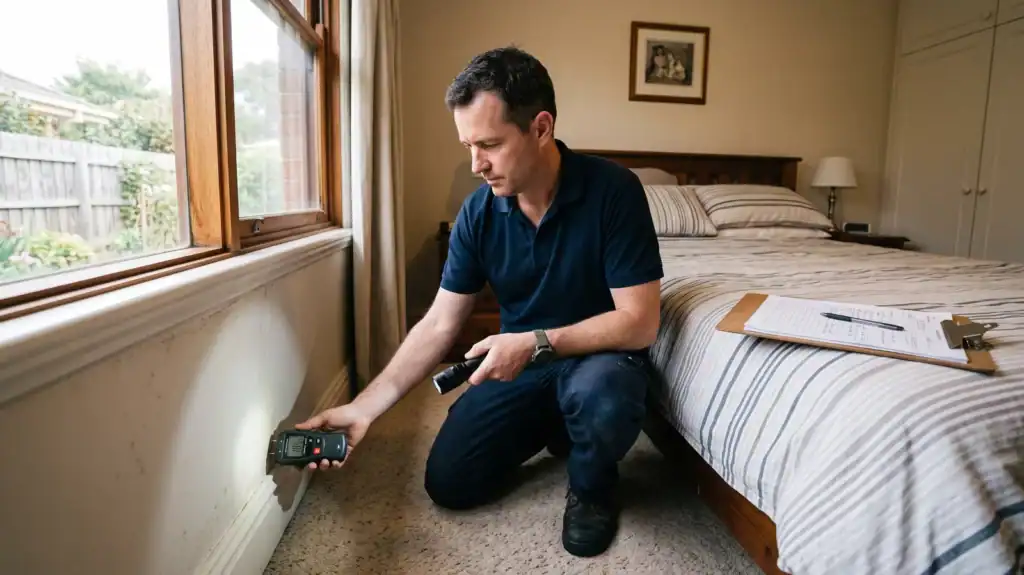
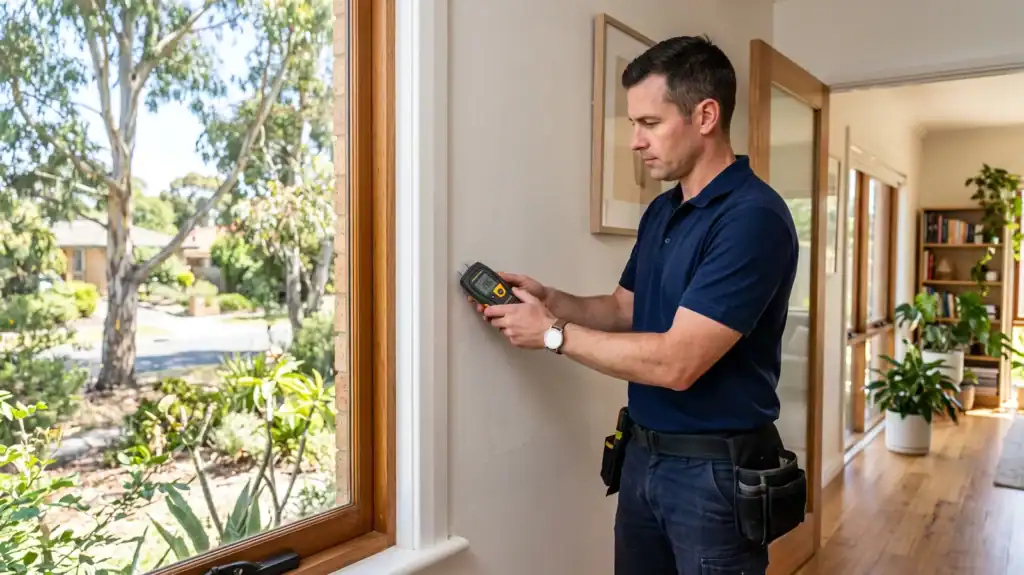
The inspection is free and covers your entire property. James checks the ceiling, walls, bathroom, subfloor and roof cavity for moisture sources, ventilation issues and other risk areas.
If your ceiling mould keeps coming back after cleaning, the problem is not the cleaning method. The problem is what is happening inside and above the ceiling that you cannot reach with a supermarket spray.
Surface treatments buy time. Professional mould prevention addresses the root cause and keeps mould from returning.
Mould and Hygiene Solutions offers free inspections for homeowners and businesses across Newcastle, the Central Coast, Lake Macquarie, Hunter Valley and Port Stephens. Book a free mould inspection today.