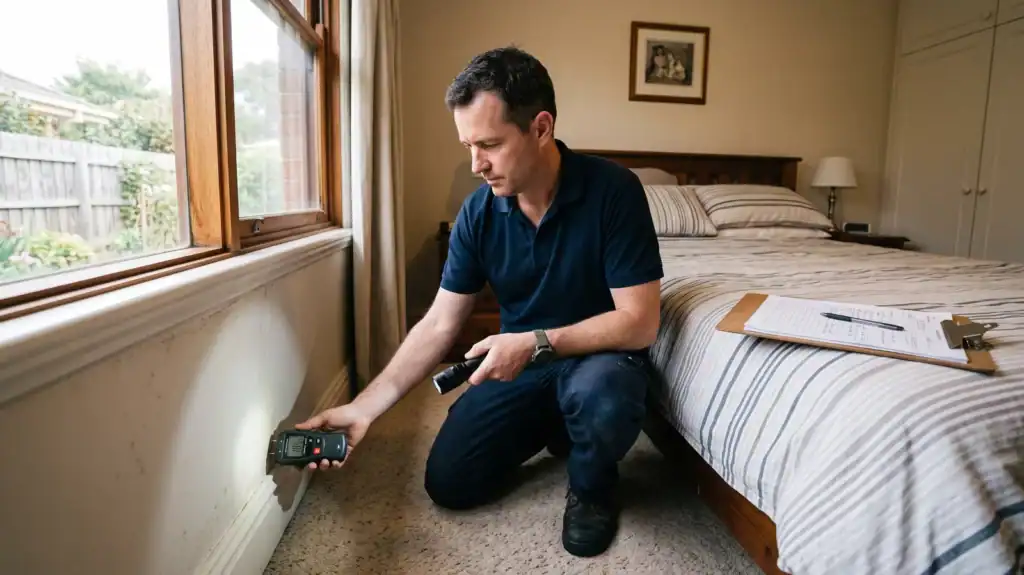
Why Newcastle Homes Get Mould and How to Stop It
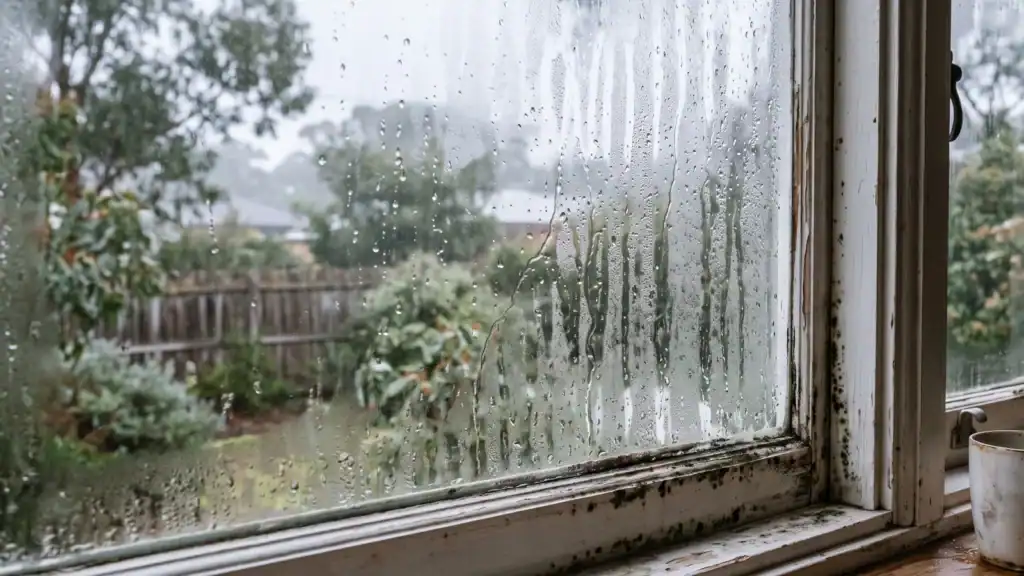
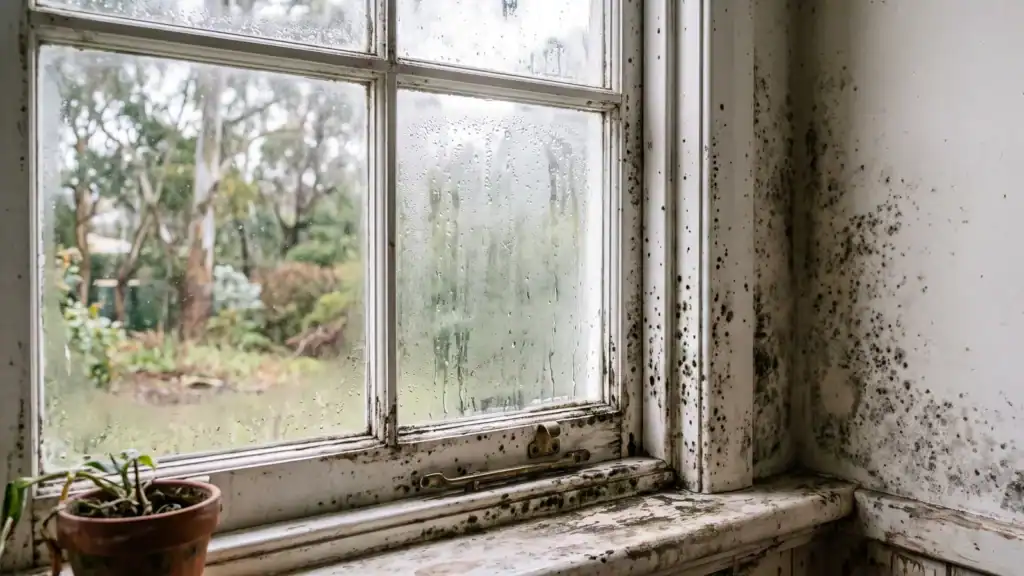
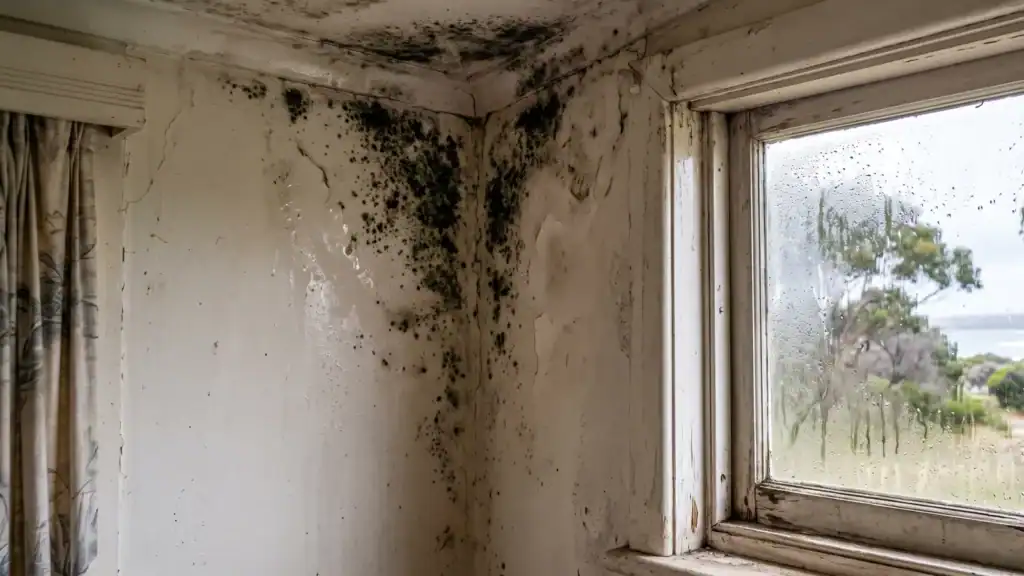
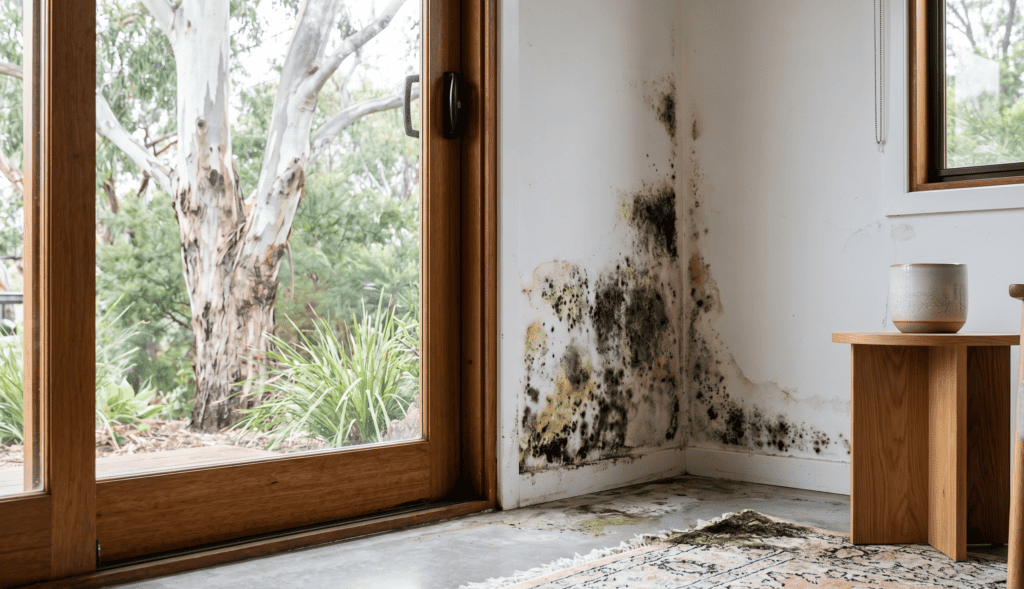
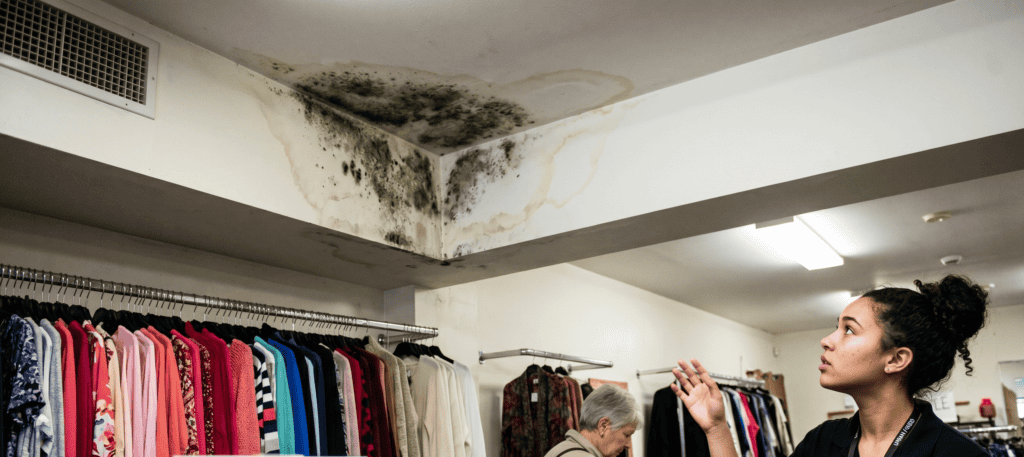
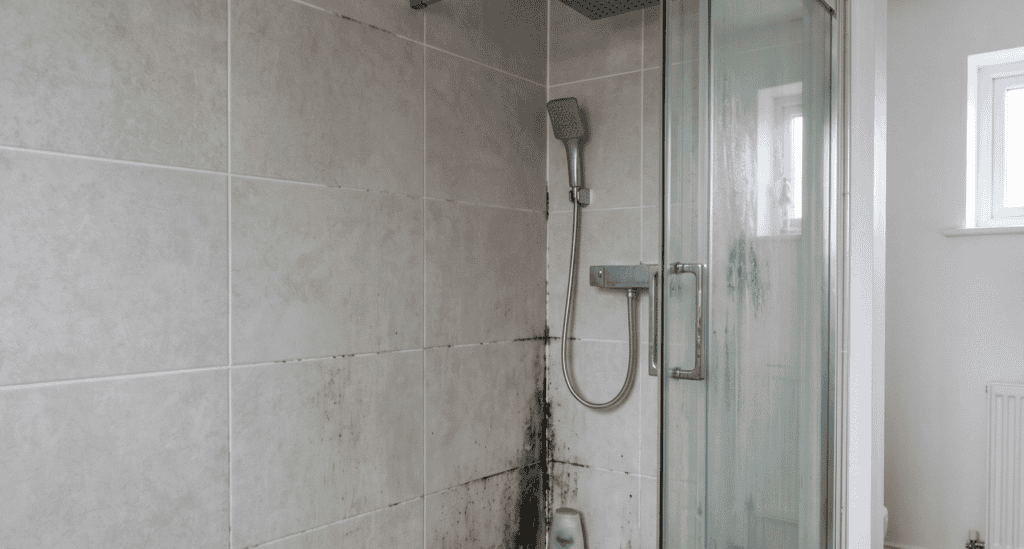
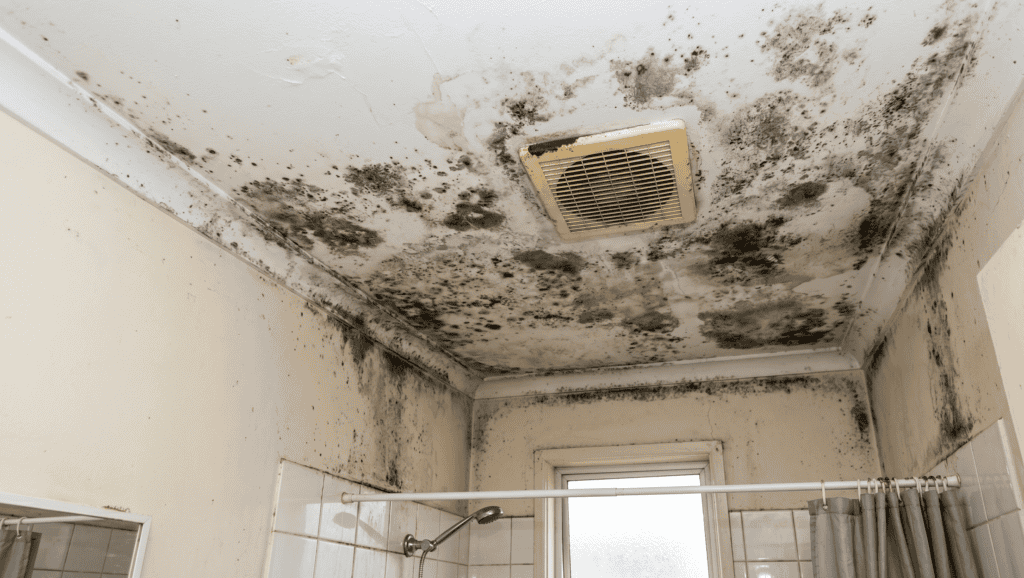
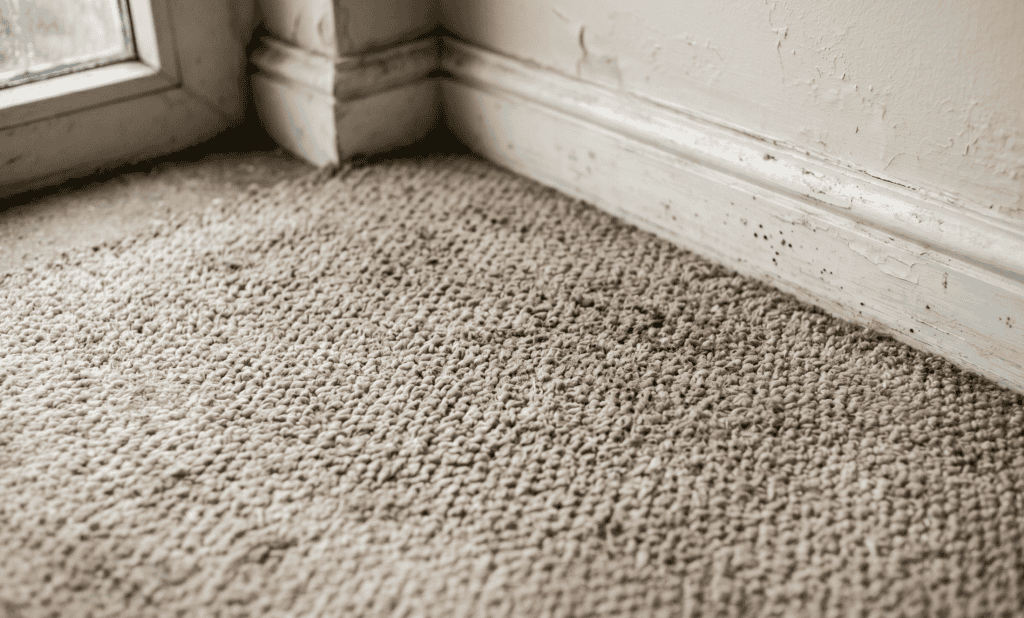
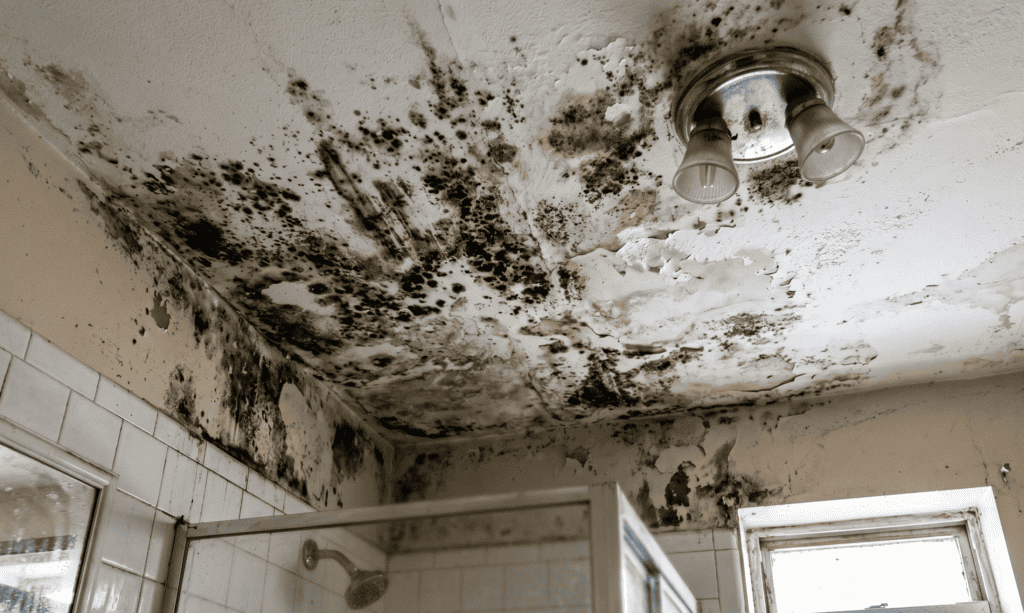
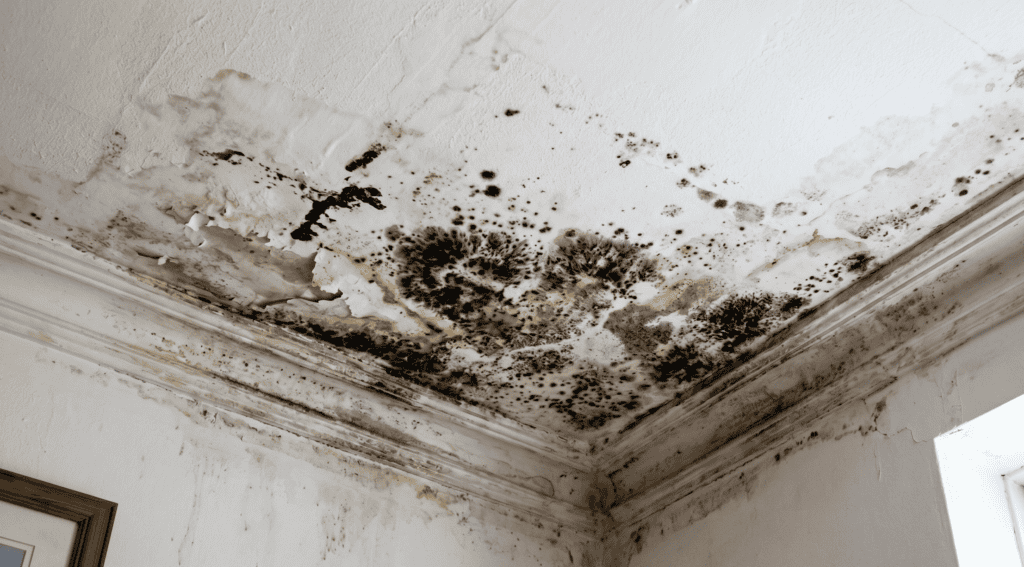
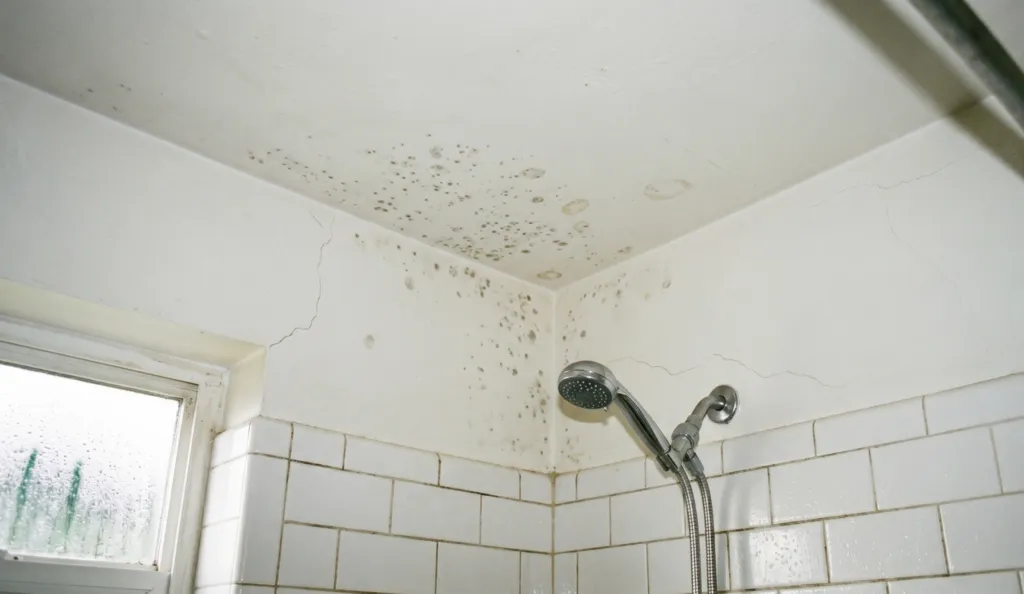
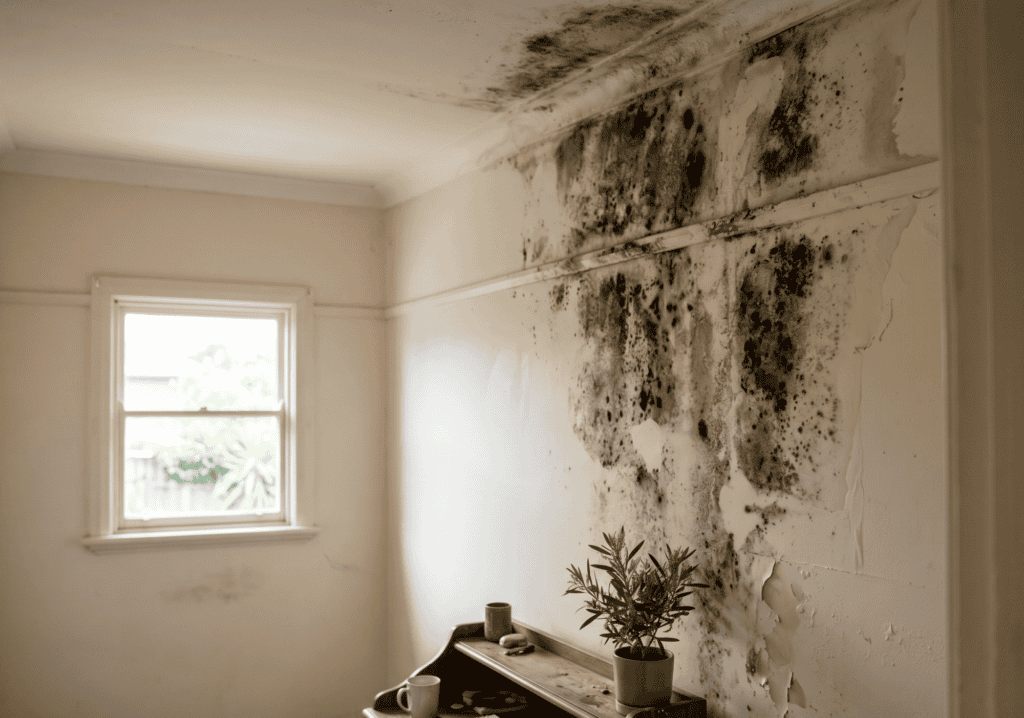
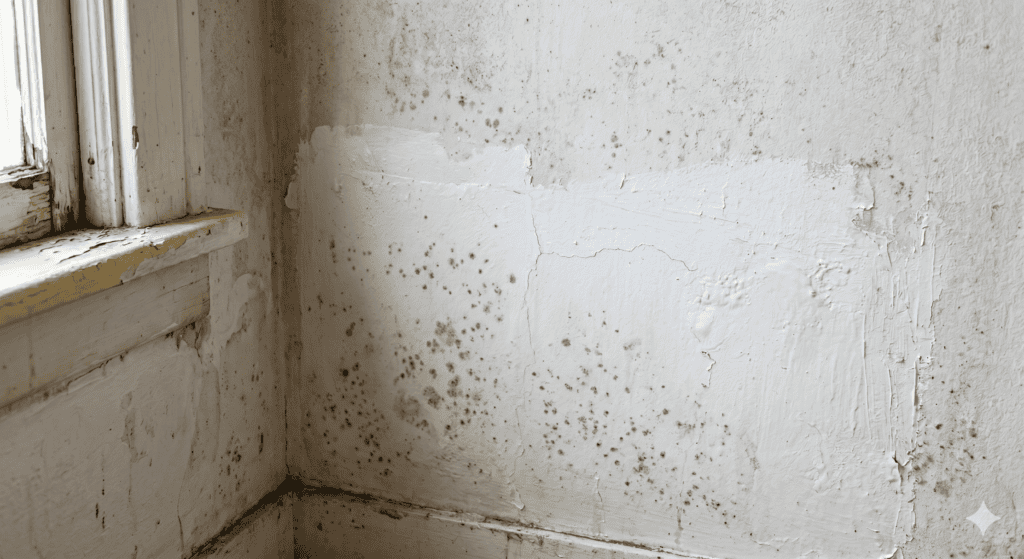
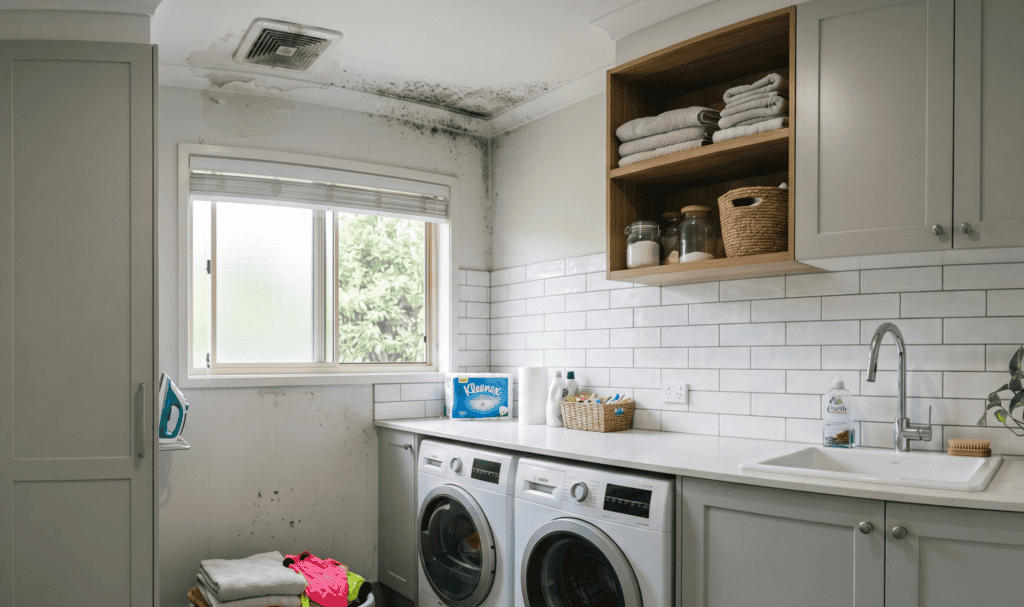
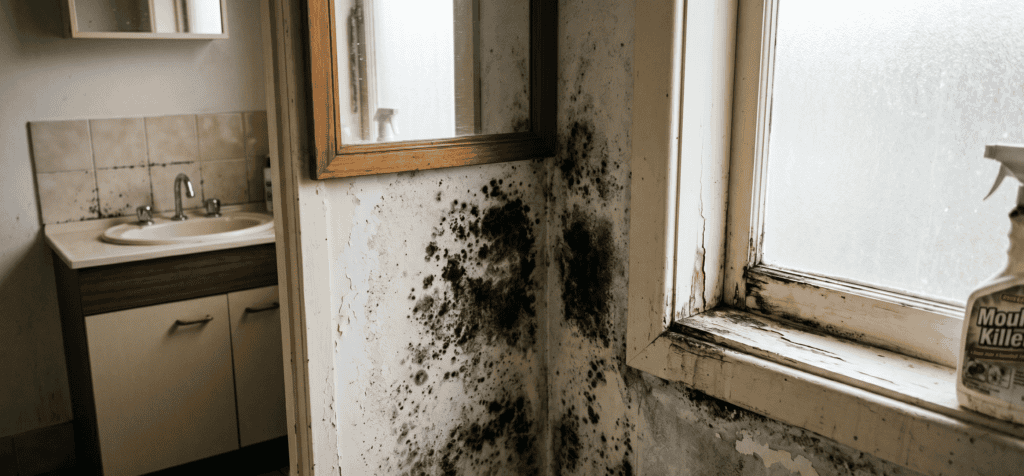
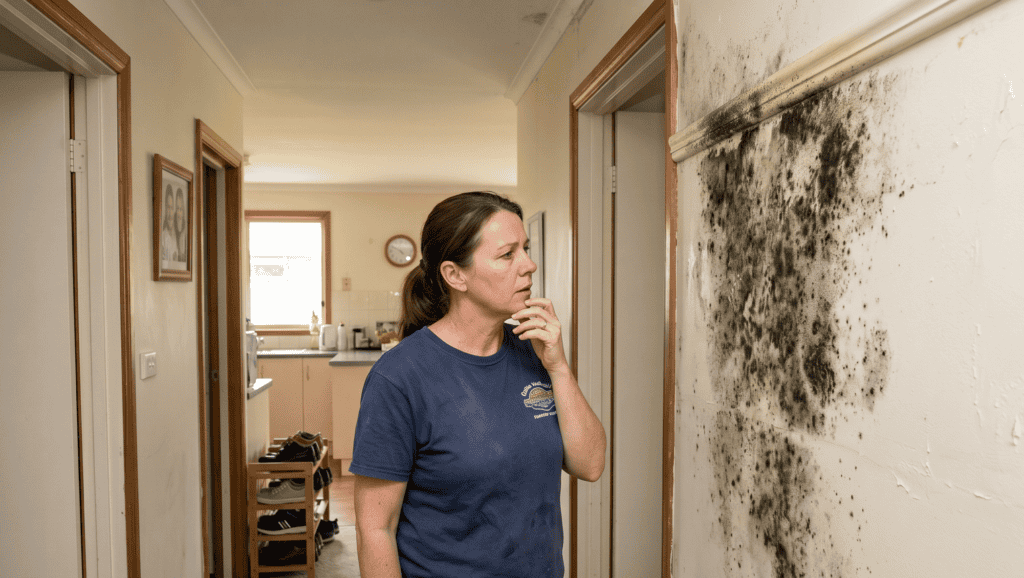
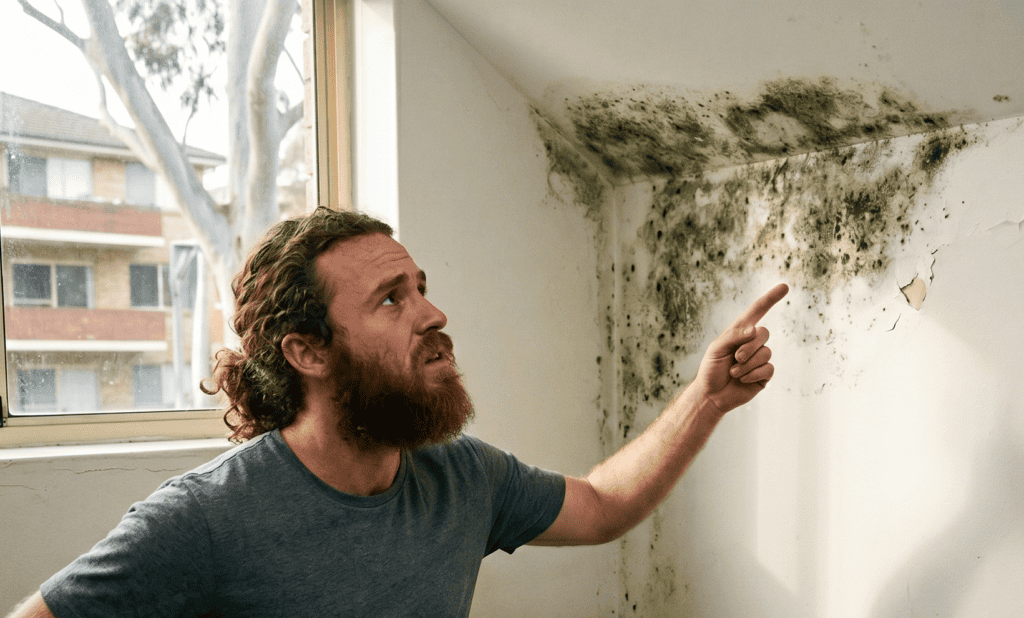
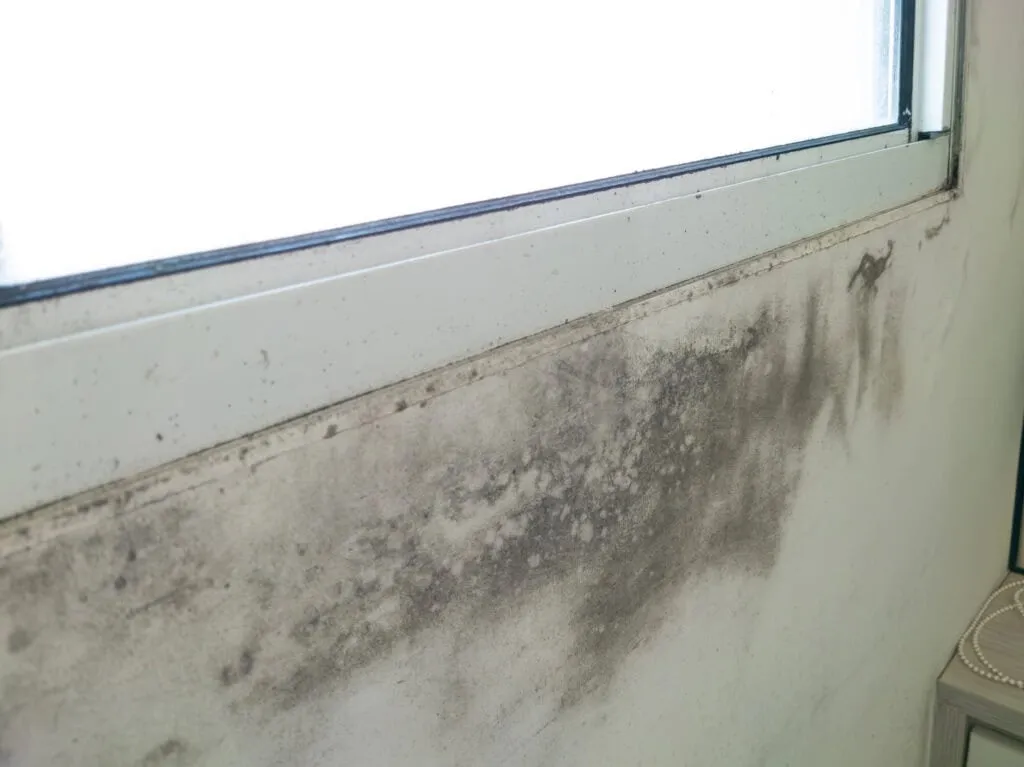
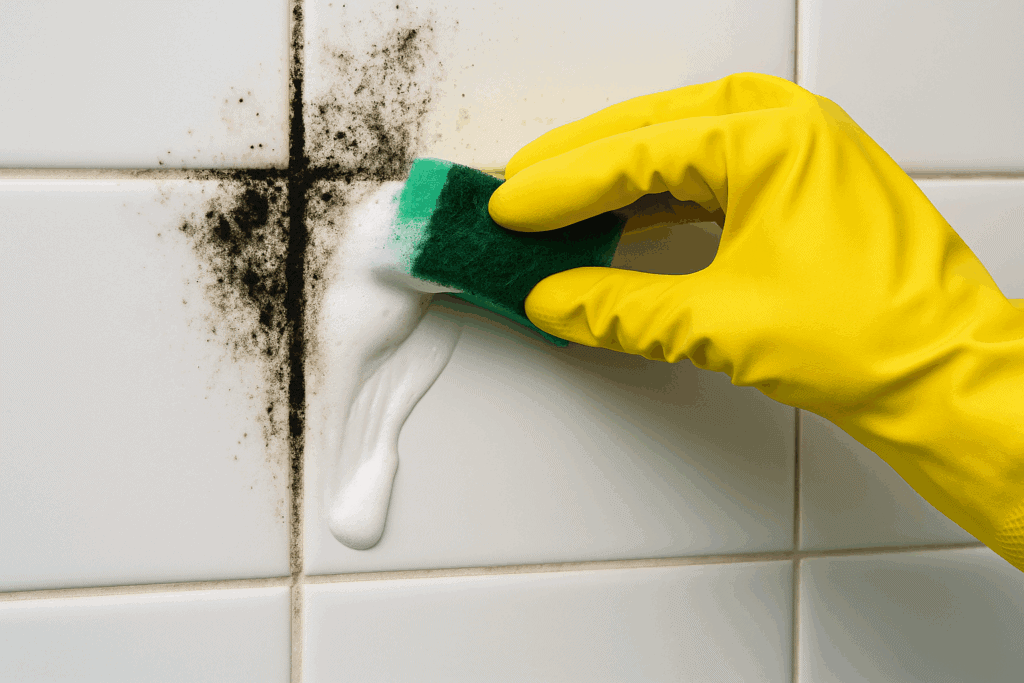
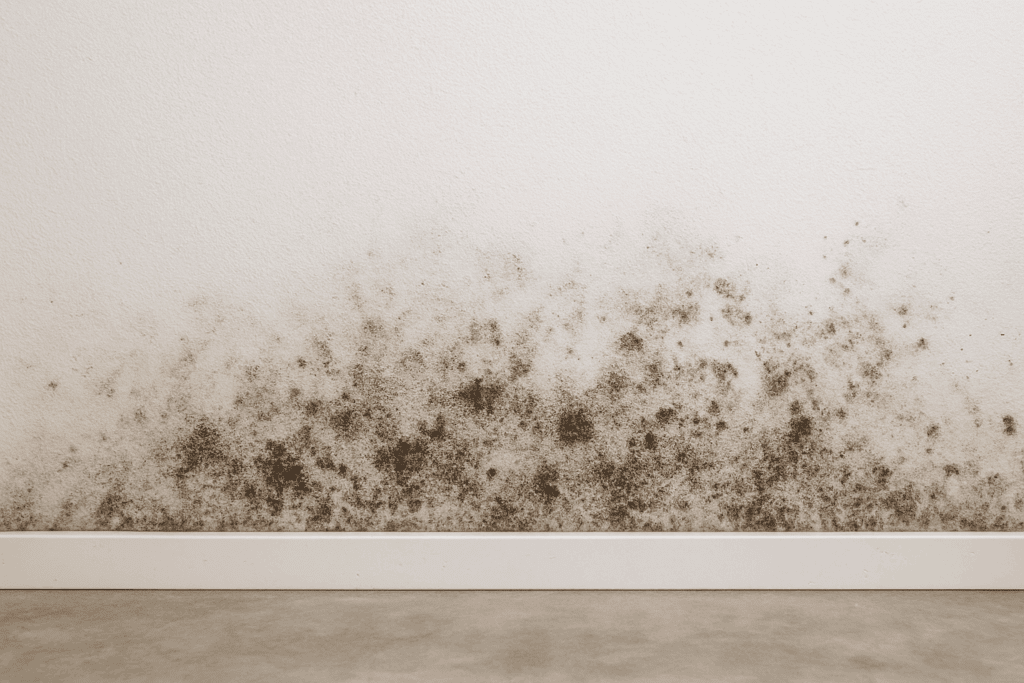
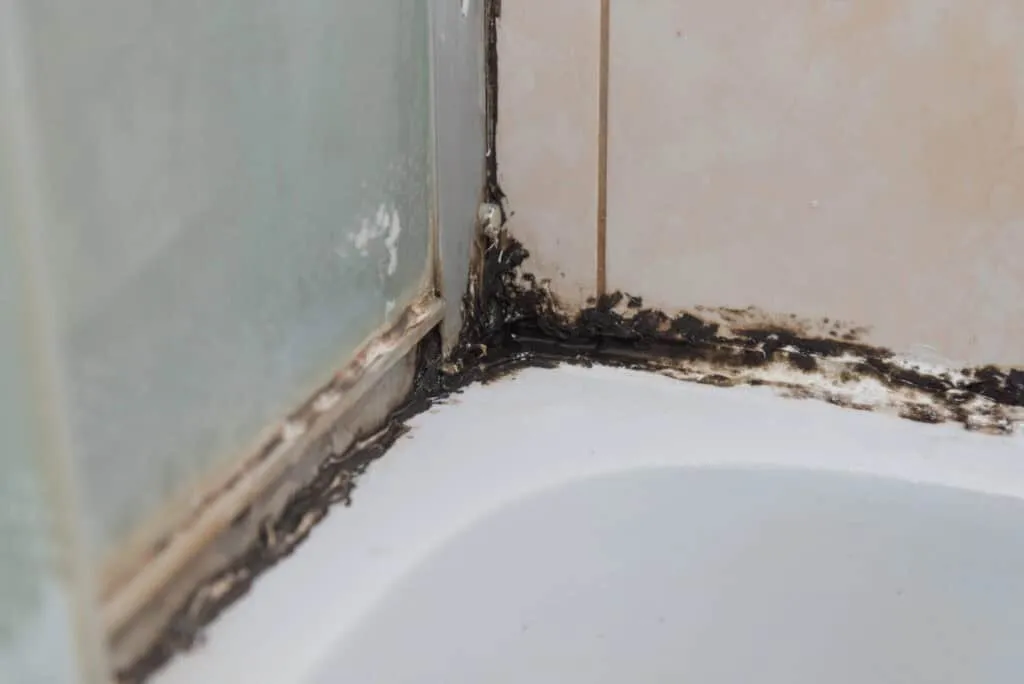
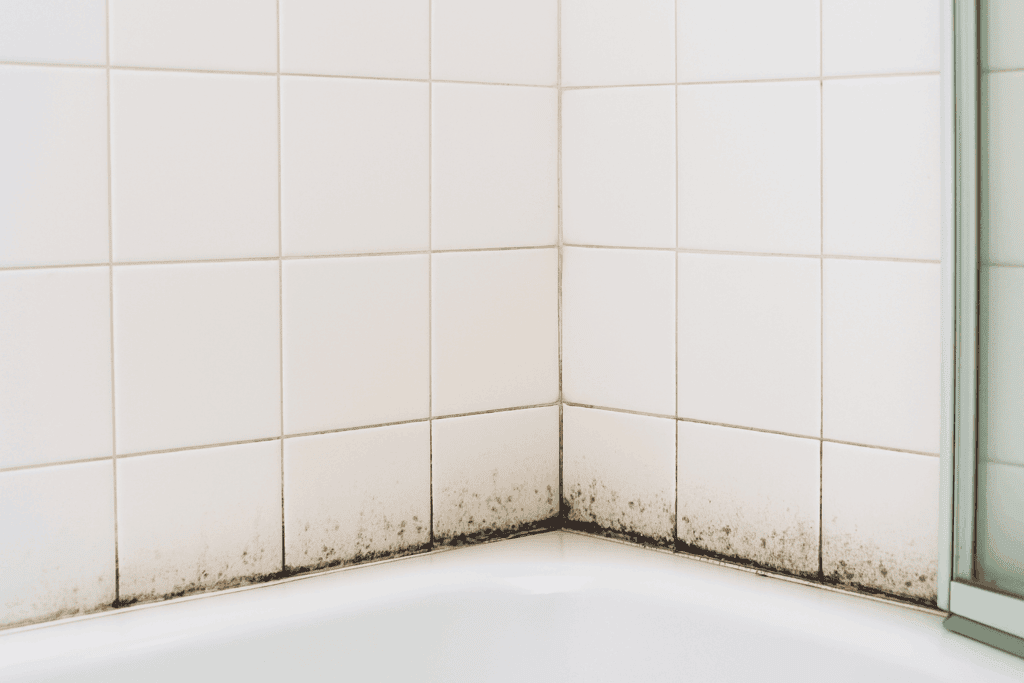
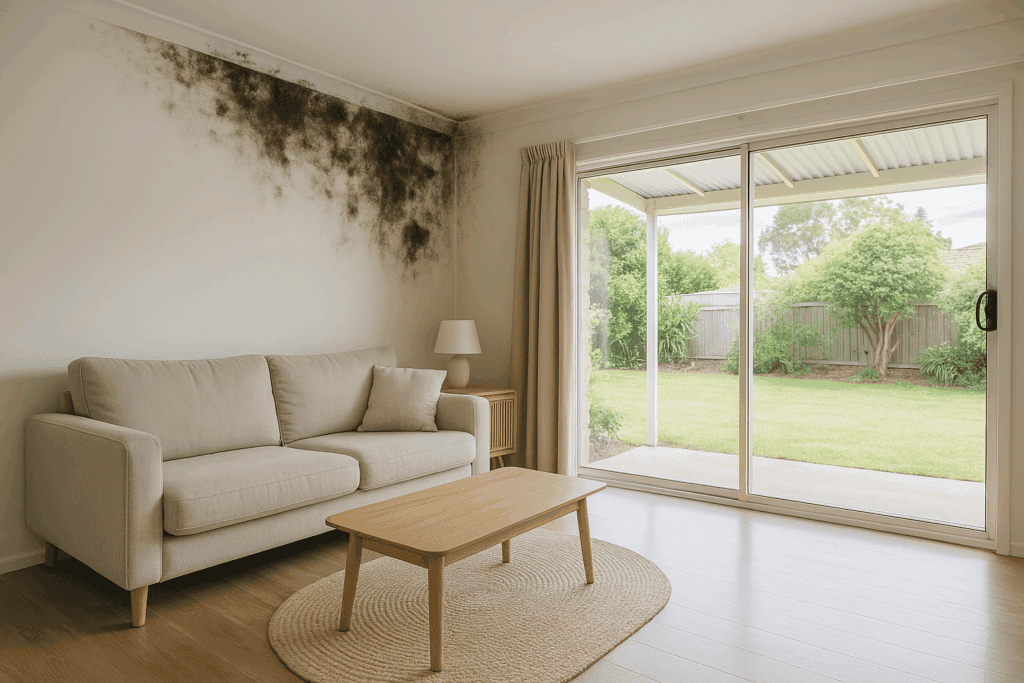
Newcastle homes are especially prone to mould because of coastal humidity, clay soils, and older building construction. Surface cleaning does not fix it.
Everything you need to know about mould
Explore our collection of articles, guides, and tips on mould removal, hygiene treatments, and prevention strategies to help you stay informed and protected.

Newcastle homes are especially prone to mould because of coastal humidity, clay soils, and older building construction. Surface cleaning does not fix it.

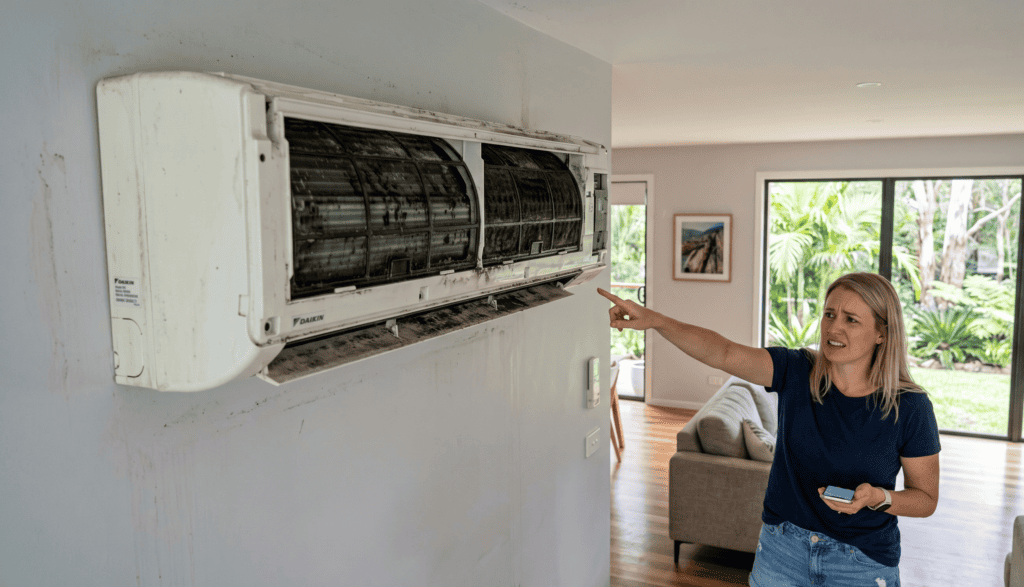
Why Central Coast homes face persistent mould problems year-round, and what homeowners should know about lasting treatment.

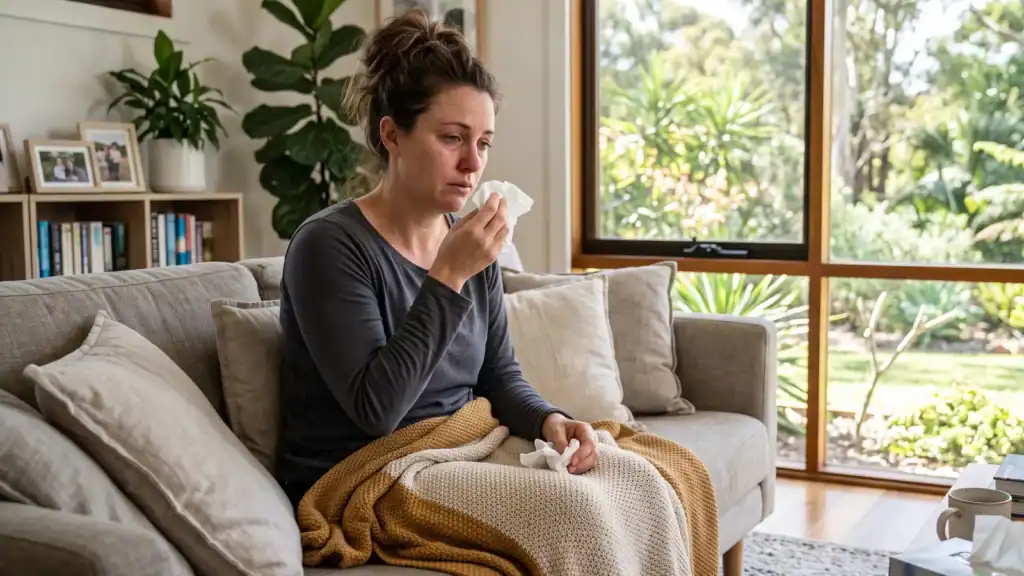
Mould allergy symptoms include persistent sneezing, congestion, itchy eyes and worsening asthma that will not stop until the mould source is removed.

Mould produces mVOCs that create a distinctive musty, earthy odour. Learn what mould smells like, where hidden colonies grow, and when a musty smell means you need a professional inspection.

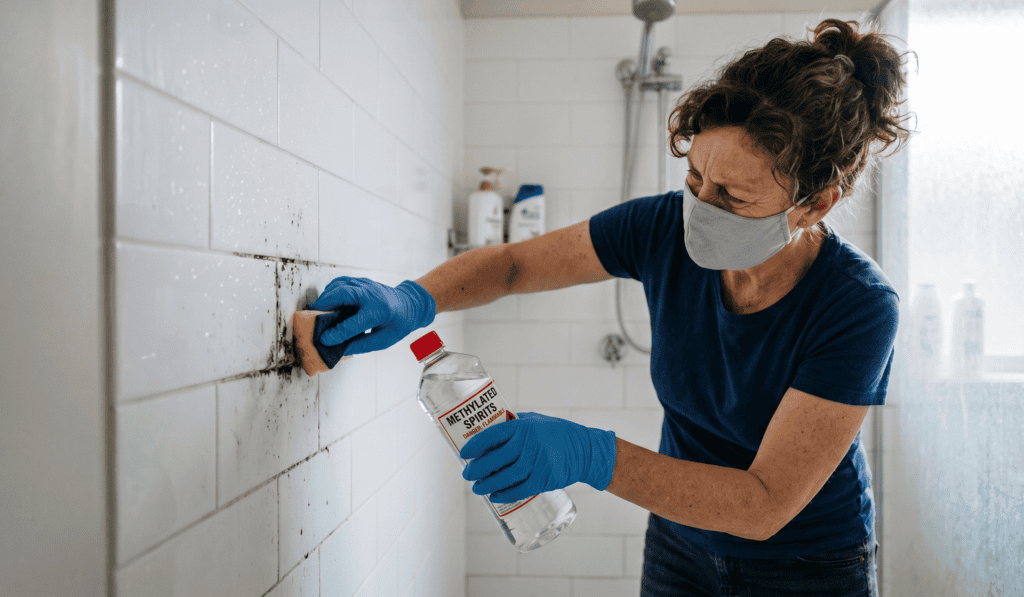
Methylated spirits removes surface mould but the roots survive underneath. Here is why metho fails long-term and what professional treatment does differently.

A mould rash is your body reacting to mould spores in your home. Learn what it looks like, what causes it, and why treating the skin alone is not enough.

Hydrogen peroxide oxidises surface mould but leaves roots intact in porous materials. Here is what it does, where it fails, and when to call a professional.

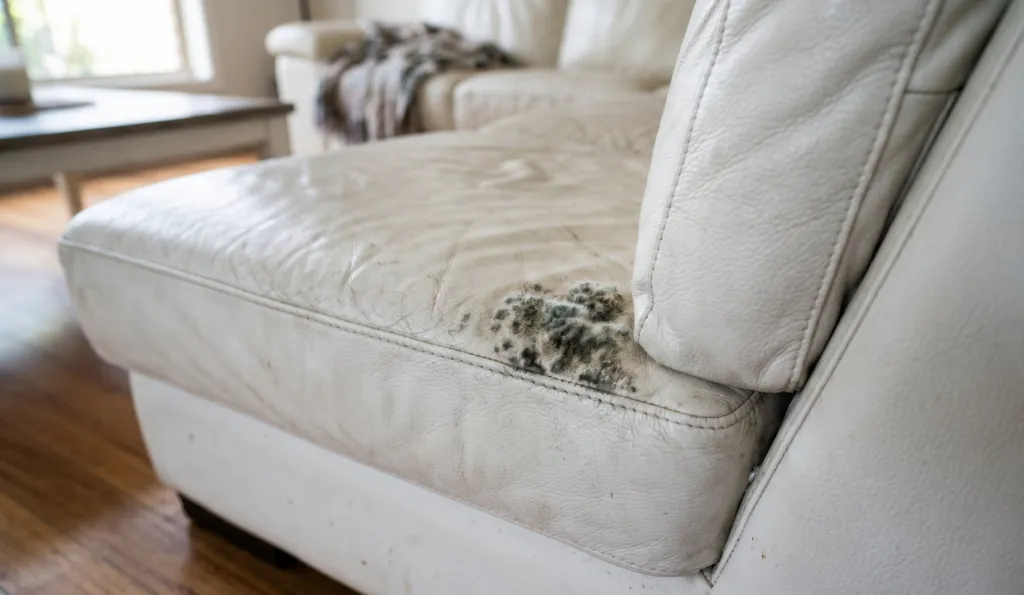
Surface cleaning removes mould you can see on leather, but the roots survive in the grain. Professional treatment reaches below the surface.

Mould poisoning symptoms range from respiratory problems to cognitive issues. Find out how long-term mould exposure affects your health.

Stachybotrys chartarum produces mycotoxins that cause respiratory symptoms even after the mould is dead. Learn the health risks, where it grows in Australian homes, and why professional treatment is the only lasting solution.