Mould is a living organism that thrives in damp, poorly ventilated environments. Many homeowners across Newcastle and the Central Coast attempt DIY mould removal when they first notice it appearing on walls, ceilings or furnishings.
The problem is that by the time mould appears on walls and other surfaces, the colony has already established itself in the substrate beneath. Surface cleaning addresses what you can see, not what is underneath.
What Is Mould?
Mould is a type of fungus that reproduces by releasing microscopic spores into the air. These spores are present in almost every indoor and outdoor environment.
When spores land on a damp surface with adequate nutrients, they begin to germinate and form colonies. Within 24 to 48 hours of exposure to moisture, mould can begin growing on porous materials like timber, plasterboard, carpet and fabric.
- Mould spreads through airborne spores that are invisible to the naked eye
- Colonies form thread-like structures called hyphae that penetrate porous materials
- The visible mould on a surface is only the fruiting body, while the root system is embedded deeper
- Wiping away surface mould with bleach or vinegar does not kill the hyphae below
According to the World Health Organisation, mould and dampness affect a significant proportion of homes worldwide. Australian coastal properties are among the most vulnerable due to sustained humidity and older building stock with limited ventilation.
This is why scrubbing visible mould with retail products provides only temporary relief. The root structure remains active in the material and regrows within weeks.
Common Types of Mould in Australian Homes
Not all mould looks the same. The colour, texture and location of a mould colony can indicate which species is present, each with different implications for your property and your health.
- Cladosporium is one of the most common indoor moulds. It typically appears olive-green to brown and grows on fabrics, carpets and timber surfaces.
- Aspergillus is frequently found in air conditioning systems, on walls and in household dust. Some species produce mycotoxins that pose health risks in enclosed spaces. Learn more about whether Aspergillus mould is dangerous in your home.
- Penicillium appears blue-green and spreads rapidly on water-damaged materials, particularly wallpaper, carpet and insulation.
- Stachybotrys chartarum, commonly called black mould, produces a dark, slimy growth on materials with high cellulose content such as plasterboard and timber framing. Read about what Stachybotrys black mould does to your health.
- Alternaria is commonly found in bathrooms, showers and around leaking windows. It spreads quickly in areas with consistent dampness.
Some homeowners also find white mould growing on walls and timber, often mistaking it for efflorescence or mineral deposits. Regardless of species, all indoor mould growth indicates excess moisture that needs to be addressed at the source.
How Does Mould Grow in Your Home?
Mould requires three conditions to grow: moisture, a food source and the right temperature. Australian homes provide all three in abundance, particularly during humid months or after water damage events.
Moisture Sources
Water is the primary driver of mould growth. Without moisture, mould cannot establish or spread.
- Leaking roofs, gutters or plumbing
- Condensation on windows, walls and ceilings
- Poor ventilation in bathrooms, kitchens and laundries
- Flooding or water damage from storms
- Rising damp from inadequate subfloor ventilation
DIY mould removal does not address the moisture source. Spraying a contaminated wall with vinegar may lighten the stain, but if the wall remains damp, the mould will return.
Mould regrowth after DIY cleaning typically occurs within two to six weeks.
Food Sources
Mould feeds on organic materials found throughout your home. Plasterboard, timber, carpet backing, wallpaper paste, dust and fabric all provide nutrients for mould colonies.
Because building materials themselves are the food source, simply cleaning the surface does nothing to remove the contaminated substrate. Professional mould removal often requires treatment that penetrates porous materials or, in severe cases, removal and replacement of affected building elements.
Temperature and Humidity
Mould grows best in temperatures between 15°C and 30°C. Relative humidity above 60% accelerates growth significantly.
Coastal properties throughout Lake Macquarie and Port Stephens are particularly vulnerable due to elevated humidity levels year-round. Without proper ventilation and moisture control, mould will continue to thrive regardless of how many times the surface is cleaned.
Signs You Have a Mould Problem
Mould is not always visible. Colonies can grow inside wall cavities, beneath flooring, in ceiling spaces and within air conditioning ductwork for months before anyone notices.
- Visible dark spots or discolouration on walls, ceilings, grout or window frames
- A persistent musty or earthy smell that cleaning does not remove
- Peeling, bubbling or warping paint and wallpaper
- Condensation that regularly forms on windows and cold surfaces
- Worsening respiratory symptoms, allergic reactions or headaches when indoors
Hidden mould inside walls and structural cavities is often the most damaging because it goes undetected until the colony has spread through the substrate. If you notice any of these warning signs of mould toxicity in your home, a professional inspection is the only way to determine the full extent of contamination.
Health Effects of Mould Exposure
Prolonged exposure to indoor mould can affect respiratory health. According to NSW Health, mould spores and the volatile organic compounds they release can trigger allergic reactions, asthma episodes and irritation of the eyes, nose and throat.
- Nasal congestion, sneezing and runny nose
- Coughing, wheezing and shortness of breath
- Skin rashes and irritation
- Eye redness and watering
- Fatigue, headaches and difficulty concentrating
Children, elderly people, those with asthma and anyone with a weakened immune system are at greater risk from mould exposure.
These symptoms of mould exposure are easy to overlook because they mimic common colds and seasonal allergies. Over time, ongoing exposure to high spore concentrations can lead to more serious effects on your body, particularly in poorly ventilated homes where spore counts remain elevated.
Why DIY Mould Removal Fails
Retail mould products and home remedies are designed to treat surface staining. They do not eliminate the underlying colony, address the moisture source or prevent spore spread during cleaning.
| DIY Method | Why It Fails |
|---|---|
| Bleach spray | Does not penetrate porous materials; kills surface mould only; hyphae regrow within weeks |
| Vinegar or tea tree oil | Mild antifungal effect on non-porous surfaces; ineffective on plasterboard, timber and carpet |
| Scrubbing with detergent | Removes visible staining but spreads spores into the air; root system remains intact |
| Paint or sealant over mould | Traps moisture and feeds ongoing growth beneath the coating; mould breaks through within months |
Disturbing mould colonies without proper containment releases thousands of spores throughout your property. This can trigger new growth in previously unaffected areas and increase airborne spore concentrations, worsening health risks for occupants.
DIY cleaning spreads spores without addressing the root cause or moisture source.
How to Prevent Mould Growth
Preventing mould comes down to controlling moisture. Without sustained dampness, mould spores cannot germinate or form colonies.
- Ventilate wet areas. Use exhaust fans in bathrooms, kitchens and laundries during and after use. Open windows when weather permits to allow cross-ventilation. Ventilation is more effective than cleaning for long-term mould prevention.
- Control indoor humidity. Keep relative humidity below 60%. A hygrometer from any hardware store will tell you where your home sits. Learn what humidity level actually prevents mould growth.
- Fix leaks promptly. Dripping taps, leaking roofs and faulty plumbing create the sustained moisture mould needs to colonise building materials.
- Dry wet surfaces within 48 hours. After flooding, storms or spills, dry affected materials as quickly as possible. Mould begins germinating within 24 to 48 hours of moisture exposure.
- Improve subfloor ventilation. Rising damp from enclosed subfloors feeds mould growth in walls and flooring above.
These steps reduce the conditions mould needs to grow, but they cannot eliminate existing colonies. A dehumidifier can help slow mould growth, though it works best alongside professional treatment that addresses contamination already present in porous materials.
How Professional Mould Treatment Works
Professional mould remediation treats the entire colony, not just the visible growth. It addresses the root system, contains spores during cleaning and identifies the moisture source driving the contamination.
Mould and Hygiene Solutions uses an Australian-made, non-hazardous, non-corrosive and environmentally friendly antimicrobial solution that penetrates porous materials to eliminate mould at the cellular level. This treatment destroys both the surface growth and the hyphae embedded in the substrate.
- Industrial-grade treatment penetrates timber, plasterboard and masonry
- Containment procedures prevent spore spread during remediation
- Moisture source identification and recommendations to prevent recurrence
- 12-month mould-free guarantee on all treated areas
The 12-month guarantee is only possible because professional treatment eliminates the colony entirely and addresses the underlying conditions. No retail product or DIY method can offer the same assurance.
When to Book a Professional Inspection
If you can see mould, smell musty odours or have experienced water damage in your property, a professional mould inspection is the most reliable first step. An inspection identifies the extent of contamination, the moisture source and the most effective remediation approach.
Mould and Hygiene Solutions offers free inspections across Newcastle, the Central Coast, Lake Macquarie, Hunter Valley and Port Stephens. Early intervention prevents minor mould issues from becoming structural problems that require expensive repairs.
- Visible mould growth on walls, ceilings, carpet or furnishings
- Persistent musty smell even after cleaning
- Water damage, leaks or flooding in your property
- Condensation or dampness that does not resolve
- Health symptoms that worsen indoors, such as respiratory irritation or allergic reactions
Delaying professional treatment allows mould to spread deeper into building materials, increasing remediation complexity and cost. A free inspection provides clarity and a tailored treatment plan with no obligation.
Frequently Asked Questions
Can mould grow in new homes?
New homes can develop mould if they were closed up before construction moisture fully dried, if there are plumbing defects, or if ventilation is inadequate. The age of a property does not determine mould risk, only moisture does.
Is black mould more dangerous than other types?
Stachybotrys chartarum (black mould) produces mycotoxins that can cause more severe reactions than common household moulds. However, all indoor mould growth should be treated seriously, as prolonged exposure to any species can affect respiratory health.
How quickly does mould grow after water damage?
Mould spores can begin germinating within 24 to 48 hours of landing on a damp surface. Visible colonies typically appear within one to two weeks if moisture is not addressed. Acting within the first 48 hours after water damage significantly reduces the risk of mould establishment.
Does mould come back after cleaning?
Surface cleaning removes visible mould but leaves the root system (hyphae) intact inside porous materials. Without treating the underlying colony and resolving the moisture source, regrowth typically occurs within two to six weeks.
What is the difference between mould and mildew?
Mildew is a surface-level fungal growth that sits on top of materials and is relatively easy to clean. Mould penetrates into porous substrates, requires more thorough treatment and causes more structural damage. Learn more about whether mildew is the same as mould.
How can you tell if mould is hidden inside walls?
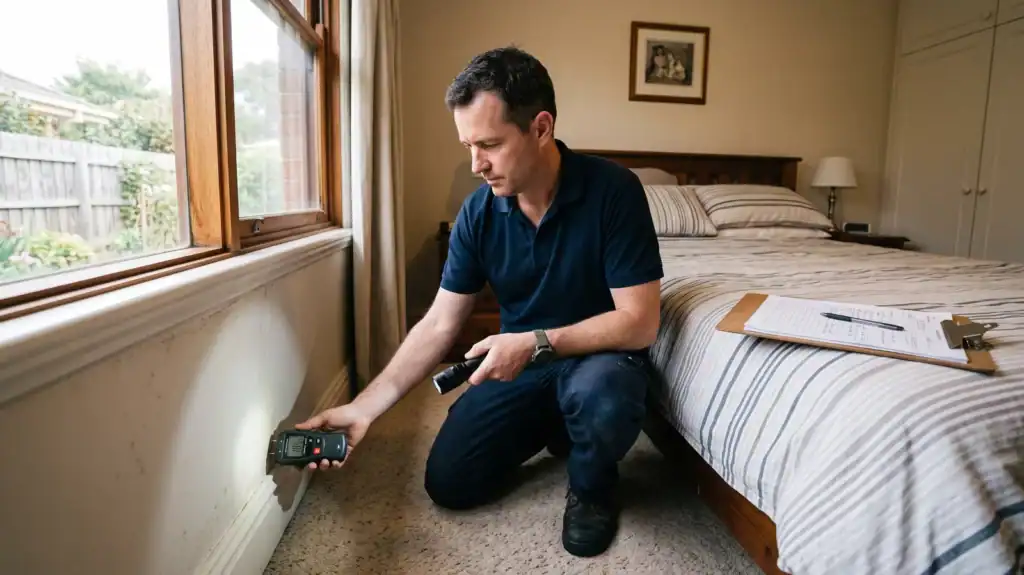
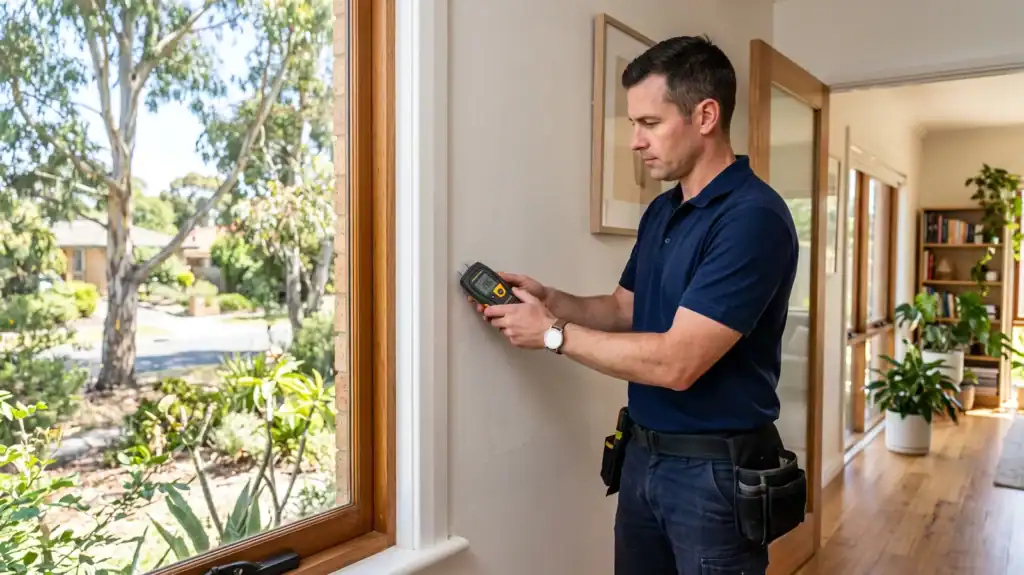
Signs of hidden mould include persistent musty odours, unexplained allergic symptoms that worsen indoors, discolouration or warping of wall surfaces, and a history of water damage or leaks. A professional mould inspection uses moisture metres and thermal imaging to detect mould behind walls without destructive investigation.
If you have found mould in your home or business, contact Mould and Hygiene Solutions today to book your free inspection and protect your property with a treatment backed by a 12-month mould-free guarantee.