Stachybotrys black mould produces mycotoxins that can trigger respiratory symptoms, even from dead spores.
If you have spotted dark, slimy patches on plasterboard or fibrous ceiling tiles, you may be looking at Stachybotrys chartarum. It is one of the most studied types of indoor mould because of the mycotoxins it releases into the air.
This article covers what stachybotrys black mould is, how it affects your body, where it grows in Australian homes alongside other mould types like Aspergillus, and why cleaning mould without protection can make you sick.
Related: Mould inspections | Mould testing | Mould removal
What Is Stachybotrys Black Mould
Stachybotrys chartarum is a fungus that produces greenish-black colonies on cellulose-rich materials like plasterboard, ceiling tiles, and wallpaper. It needs a water activity above 0.93 and at least 48 to 72 hours of continuous dampness before growth begins, which is why it typically appears after prolonged leaks, flooding, or persistent condensation.
Unlike common bathroom moulds such as Cladosporium or Aspergillus, some Stachybotrys strains produce macrocyclic trichothecene mycotoxins called satratoxins. Research estimates roughly one third of strains produce these trichothecenes, but there is no way to tell by appearance alone. Professional mould testing is the only reliable method to confirm the species and toxicity of a colony.
These toxins remain active even after the mould colony has dried out and died, according to research published by the CDC. Disturbing a dried colony sends both spores and toxin fragments into the air, which is why scrubbing or brushing stachybotrys without proper containment spreads the problem through the property.
| Stachybotrys | Cladosporium | Aspergillus | Penicillium | |
|---|---|---|---|---|
| Appearance | Greenish-black, slimy when wet | Olive-green to brown | Green, white or yellow | Blue-green, powdery |
| Preferred surface | Plasterboard, wallpaper, MDF | Bathrooms, windowsills | Dust, HVAC systems, food | Bread, fruit, damp walls |
| Moisture needed | Very high (>0.93 aw) | Moderate | Low to moderate | Low to moderate |
| Produces mycotoxins | Some strains (satratoxins) | Rarely | Some species | Some species |
| Roots into substrate | Deep (cellulose dependent) | Surface | Moderate | Surface to moderate |
Health Symptoms Linked to Stachybotrys Black Mould
Exposure to stachybotrys black mould is associated with a range of respiratory and allergic symptoms. The severity depends on the duration of exposure, the concentration of airborne spores, and individual sensitivity.
Respiratory and allergic symptoms
- Persistent coughing and wheezing that does not respond to standard treatment
- Nasal congestion and sinus irritation that worsens indoors
- Sore throat without other cold or flu symptoms
- Asthma flare-ups in people with pre-existing conditions
- Watering or irritated eyes when spending time in affected rooms
Some occupants also report persistent headaches, fatigue, and difficulty concentrating after prolonged exposure. Skin rashes can occur from direct contact with stachybotrys colonies.
Who is most at risk
Children, infants, older adults, and people with asthma, COPD, or weakened immune systems face greater risk from stachybotrys exposure. Children breathe faster relative to their body size and inhale more airborne particles, while their lungs are still developing.
- Infants and young children with developing respiratory systems
- People with asthma or COPD whose airways are already compromised
- Immunocompromised individuals including those on chemotherapy or immunosuppressants
- Older adults with reduced lung function
If anyone in your household falls into these groups and you suspect mould, do not delay. Arrange a professional mould inspection and see your GP.
Important: No diagnostic test has established a direct causal link between Stachybotrys chartarum exposure and specific health conditions. If you are experiencing persistent mould-related symptoms, see your GP and arrange a professional mould test for your property.
One detail that catches most homeowners off guard: dead stachybotrys spores are still allergenic and toxic. Even after the mould appears dry and inactive, the mycotoxin fragments remain on surfaces and can become airborne when disturbed. Recognising the warning signs of mould toxicity early makes a significant difference to health outcomes.
Where Stachybotrys Black Mould Grows in Australian Homes
Stachybotrys does not grow on tile grout or glass shower screens. It targets cellulose, which means the structural and finishing materials inside your walls and ceilings. Knowing what black mould looks like helps you spot it before it spreads.
Common locations in homes across Newcastle, the Central Coast, and the Hunter Valley
- Plasterboard (gypsum board) behind wallpaper, paint, or panelling where a slow leak has kept the material damp for weeks
- Ceiling tiles with cellulose content, especially in older homes with roof leaks
- Chipboard and MDF in cabinetry and built-in wardrobes in rooms with poor ventilation
- Carpet underlay in flood-affected or subfloor-moisture-affected areas
- Inside wall cavities where plumbing leaks go undetected for months
- Behind bathroom splashbacks where water has penetrated the adhesive layer
The Central Coast and Hunter Valley climate, with humid summers and coastal moisture, creates conditions where plasterboard can stay damp for weeks without anyone noticing. By the time stachybotrys is visible on the surface, the colony has already rooted deep into the substrate beneath. Mould and Hygiene Solutions services properties across these regions.
Why DIY Mould Removal Fails with Stachybotrys
Many homeowners in Newcastle and Lake Macquarie attempt to clean stachybotrys black mould with bleach, vinegar, or retail mould sprays. The problem is that every one of these products only treats the surface.
Stachybotrys roots deep into cellulose-based materials through structures called hyphae. Spraying bleach on the visible colony removes the discolouration, but the root network embedded in the plasterboard or MDF underneath is completely unaffected.
Three reasons DIY removal makes stachybotrys worse
- Surface cleaning does not reach the roots. Retail mould products sit on the surface. The hyphae network inside the material survives and regrows within weeks.
- Scrubbing without containment spreads spores. Disturbing a stachybotrys colony without professional containment sends mycotoxin-laden spores into the air and onto other surfaces throughout the property.
- The moisture source is never addressed. Stachybotrys does not appear without sustained moisture. Retail products do nothing to identify or fix the leak, condensation, or ventilation issue that caused the colony in the first place.
The result is a cycle: clean the surface, watch it return, clean it again. Each time, the colony has spread further into the material and more spores have been distributed through the property.
How Professional Treatment Eliminates Stachybotrys Black Mould
Professional mould remediation addresses the three things DIY cannot: the root structure, the moisture source, and the airborne spore load.
Mould and Hygiene Solutions uses an Australian-made, non-hazardous, non-corrosive and environmentally friendly antimicrobial solution that penetrates the substrate to reach the hyphae network. This is not a surface spray. It treats the material the mould has colonised, killing the root structure that retail products leave behind.
- Containment setup before any disturbance to prevent spore spread through the property
- Industrial-grade treatment that penetrates plasterboard, MDF, and other cellulose materials to the depth of the hyphae
- Moisture source identification and reporting so the underlying cause can be fixed permanently
- Air quality assessment to confirm spore levels have dropped to safe levels after treatment
- 12-month mould-free guarantee on all treated areas, because the treatment works at the root level
The 12-month unconditional guarantee exists because professional treatment reaches the root structure that DIY products cannot touch. If the mould returns within 12 months, Mould and Hygiene Solutions retreats it at no cost.
What to Do If You Suspect Stachybotrys in Your Home
If you have found dark, slimy mould on plasterboard, ceiling tiles, or behind cabinetry, do not scrub it, spray it, or disturb it. Agitating a stachybotrys colony without containment spreads spores and mycotoxin fragments into the air.
Steps to take right now
- Stop any DIY cleaning. Put down the bleach. Surface cleaning will not fix this and risks spreading spores through the property.
- Ventilate the room by opening windows, but do not use fans or air conditioners that could push spores into other rooms.
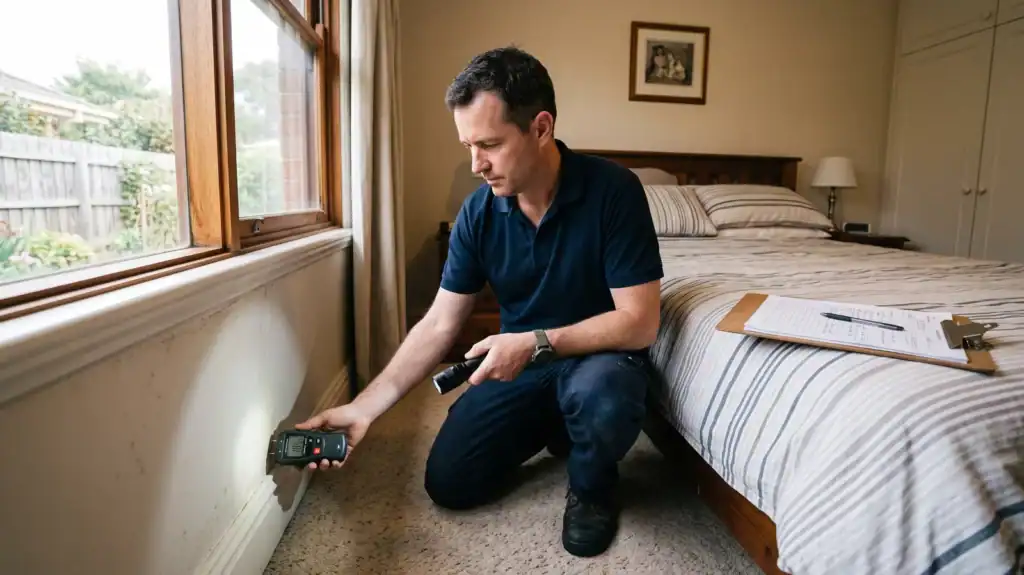
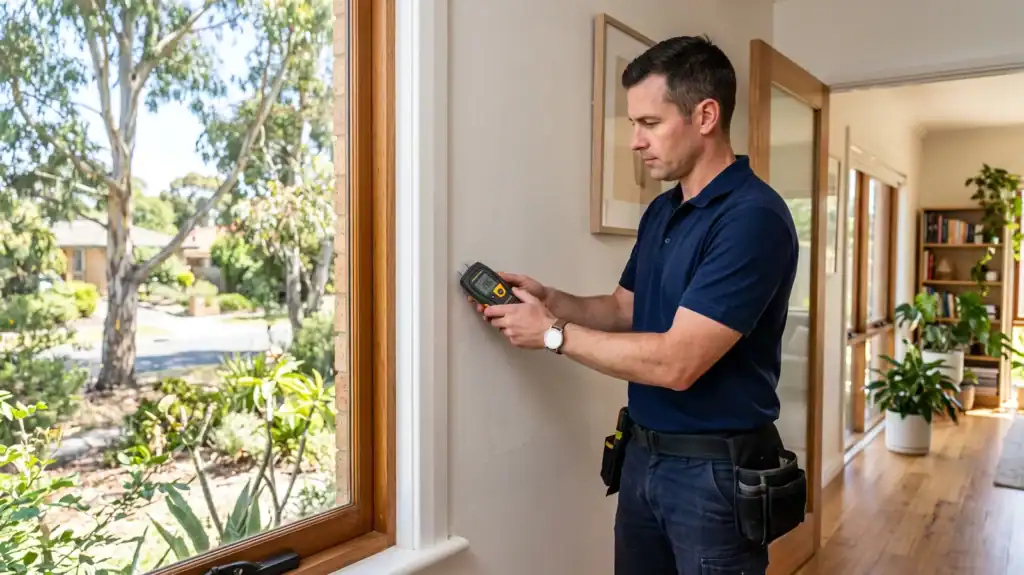
- Book a professional mould inspection. Mould and Hygiene Solutions offers professional mould inspections across Newcastle, the Central Coast, Lake Macquarie, Hunter Valley and Port Stephens.
- See your GP if anyone in the household is experiencing persistent respiratory symptoms, headaches, or skin irritation.
The inspection identifies the mould type, the extent of the colony (including what is hidden behind surfaces), and the moisture source driving the growth.
If you have found stachybotrys black mould or any type of mould in your home or business, the most effective first step is a professional inspection. Contact Mould and Hygiene Solutions today to book an inspection across Newcastle, the Central Coast, Lake Macquarie, Hunter Valley and Port Stephens.