Mould poisoning symptoms start with what feels like a cold that never goes away.
Homeowners across Newcastle and the Central Coast often live with persistent coughing, headaches or fatigue for months before connecting the symptoms to mould in their home. By the time the link becomes obvious, the mould colony has usually been established for far longer than the symptoms have.
This article explains exactly how mould exposure affects your body at each stage, which symptoms appear first, and why removing visible mould from surfaces does nothing to stop the health effects.
If you suspect mould is affecting your health, the first step is a professional mould inspection. Mould and Hygiene Solutions offers inspections across Newcastle, the Central Coast, Lake Macquarie, Hunter Valley and Port Stephens.
What Mould Poisoning Actually Is
Mould poisoning, or mycotoxicosis, occurs when you inhale or come into contact with mycotoxins produced by certain mould species. Not all mould produces mycotoxins, but the species that do, including Aspergillus, Stachybotrys (black mould) and Penicillium, are common in Australian homes with moisture problems, particularly those where mould keeps coming back despite cleaning.
The issue is cumulative. A single brief exposure rarely causes noticeable symptoms. Ongoing exposure in a home or workplace where mould is growing behind walls, under flooring or in ceiling cavities is what drives the health effects most people experience.
- Mycotoxins are toxic compounds released by certain mould species as they grow
- MVOCs (microbial volatile organic compounds) are the gases that produce the musty smell associated with mould
- Spores are microscopic particles released into the air that trigger allergic and respiratory reactions
- A person’s reaction depends on their sensitivity, the mould species present, and the duration of exposure
What makes mould poisoning difficult to identify is that the symptoms overlap with dozens of other conditions. Most GPs will treat the symptoms without investigating the environment, which means the exposure continues.
Early Mould Poisoning Symptoms Most People Ignore
The first mould poisoning symptoms are easy to dismiss. They look and feel like seasonal allergies or a mild cold, which is exactly why most people ignore them for months.
Within the first few weeks of consistent mould exposure, the most common symptoms include respiratory irritation, nasal congestion, and eye irritation. These are triggered by spore inhalation and direct contact with MVOCs in the air.
| Symptom | What it feels like | Often mistaken for |
|---|---|---|
| Persistent nasal congestion | Blocked or runny nose that does not clear | Seasonal allergies or a cold |
| Sore or scratchy throat | Mild irritation, especially in the morning | Post-nasal drip or dry air |
| Watery, itchy eyes | Similar to hay fever | Pollen allergy |
| Frequent sneezing | Triggered indoors, not outside | Dust allergy |
| Mild cough | Dry cough that persists beyond two weeks | Common cold or bronchitis |
| Skin irritation | Rashes or itching without obvious cause | Eczema or contact dermatitis |
The key difference between mould-related symptoms and genuine allergies is location. If the symptoms improve when you leave the house and return when you come home, the environment is the problem.
Skin reactions deserve particular attention. A persistent mould rash that appears without an obvious trigger and worsens indoors is one of the earliest physical signs that spore counts in the home are elevated.
Wiping visible mould off a wall or ceiling does not remove the spores circulating through your home. The colony’s root structure (hyphae) remains embedded in the material beneath the surface and continues releasing spores and mycotoxins into the air. A mould test can confirm what species are present and how concentrated the spore load is.
How Mould Poisoning Symptoms Affect Your Lungs
With continued exposure over weeks and months, mould poisoning symptoms move beyond nasal irritation and start affecting the lower respiratory system. This is where the health effects become more serious and harder to reverse.
Repeated inhalation of mould spores causes inflammation in the airways. For people with existing asthma, this can trigger attacks that are more frequent and more severe than usual. For people without asthma, prolonged exposure can cause the condition to develop for the first time.
- Chronic coughing: a cough lasting more than three weeks that does not respond to standard treatment
- Wheezing and shortness of breath: inflammation narrows the airways, making it harder to breathe
- Chest tightness: a feeling of pressure, especially when waking or entering the affected room
- Recurrent respiratory infections: bronchitis, sinusitis, or pneumonia that keeps returning
- Hypersensitivity pneumonitis: a rare but serious lung inflammation caused by repeated spore inhalation
NSW Health notes that people with weakened immune systems, existing lung disease, or allergies are at greatest risk from mould exposure. But healthy adults are not immune. Prolonged exposure affects everyone.
Scrubbing mould off bathroom tiles while it is actively sporulating makes this worse, not better. Disturbing a mould colony without containment releases a concentrated burst of spores into the air and spreads them to rooms that were previously unaffected.
Who Is Most at Risk from Mould Poisoning
Not everyone reacts to mould at the same rate. Some people develop symptoms within days of moving into a mould-affected home, while others live with low-level exposure for years before the effects accumulate.
- Children and infants: smaller airways and developing immune systems make them more susceptible to respiratory damage from spore inhalation
- People with asthma or chronic lung conditions: existing airway inflammation is worsened by mould spores, leading to more frequent and severe attacks
- People with compromised immune systems: those undergoing chemotherapy, organ transplant recipients, or anyone on immunosuppressant medication face a higher risk of fungal infections
- Allergy sufferers: prolonged exposure can trigger mould allergy symptoms including chronic sinusitis, skin reactions, and persistent fatigue
- Elderly residents: age-related immune decline reduces the body’s ability to clear inhaled spores
- Pregnant women: immune suppression during pregnancy increases vulnerability to respiratory infections triggered by mould
Even healthy adults with no pre-existing conditions are affected by prolonged exposure. The difference is timing. Higher-risk groups develop symptoms faster and at lower spore concentrations.
Neurological and Cognitive Symptoms of Mould Exposure
The symptoms most people do not associate with mould are the cognitive ones. Research published in the International Journal of Molecular Sciences found that mould inhalation can cause neural, cognitive, and emotional dysfunction.
People living or working in mould-affected buildings report difficulty concentrating, memory problems, increased anxiety, and persistent fatigue that sleep does not fix. These symptoms are harder to trace back to mould because they develop gradually.
- Brain fog: difficulty thinking clearly, struggling with decisions that were previously simple
- Chronic fatigue: exhaustion that persists regardless of how much rest you get
- Headaches: frequent headaches, often worst in the morning or in specific rooms
- Mood changes: increased irritability, anxiety, or low mood without an obvious trigger
- Sleep disruption: difficulty falling asleep or staying asleep, unrefreshing sleep
- Dizziness and vertigo: episodes of lightheadedness or a spinning sensation, often unexplained by other conditions
- Numbness or tingling: pins and needles in the hands or feet that appear without a clear cause
- Digestive problems: bloating, nausea, or food intolerances that develop gradually alongside other symptoms
These symptoms do not respond to standard treatments because the treatments address the symptom, not the cause. As long as the mould colony continues producing mycotoxins in the home, the exposure continues.
Why DIY Mould Removal Makes the Problem Worse
Homeowners across the Hunter Valley and Central Coast often attempt DIY mould removal first. The problem is that by the time mould is visible on a surface, the colony has already established its root structure in the material beneath.
Spraying bleach or vinegar on a mould patch removes the surface discolouration within minutes. The hyphae (root structure) embedded in the plasterboard, grout, or timber beneath is completely unaffected. Regrowth typically occurs within two to six weeks.
| DIY method | What it does | What it misses |
|---|---|---|
| Bleach spray | Removes surface colour | Root structure, moisture source, airborne spores |
| Vinegar solution | Kills some surface mould | Embedded hyphae, does not prevent regrowth |
| Tea tree oil spray | Mild antifungal on contact | No substrate penetration, no lasting protection |
| Scrubbing with detergent | Physical removal of visible growth | Releases spores into the air, roots remain |
Worse, scrubbing or spraying active mould without proper containment sends a concentrated burst of spores into the air. Those spores settle on surfaces throughout the home, seeding new colonies in rooms that were previously clean.
Retail mould products are not designed to treat the root cause. If mould has returned after you have already cleaned it, the colony is established in the substrate and a professional mould removal treatment is the only option that addresses the full problem.
How Professional Mould Treatment Stops Symptoms at the Source
Professional mould remediation works differently from DIY in three specific ways. It treats the substrate where roots are embedded, it contains the work area to prevent spore spread, and it identifies the moisture source driving mould growth.
Mould and Hygiene Solutions uses an Australian-made, non-hazardous, non-corrosive and environmentally friendly antimicrobial solution that penetrates the substrate and eliminates the colony at the root level. This is not a surface treatment. It reaches the hyphae embedded in plasterboard, timber, and grout.
- The affected area is contained to prevent spore spread during treatment
- The antimicrobial solution penetrates the substrate to reach embedded roots
- The moisture source is identified and addressed so regrowth cannot occur
- Treated surfaces receive lasting protection against future mould colonisation
- Every treatment is backed by an unconditional 12-month mould-free guarantee
The 12-month guarantee exists because the treatment actually works at the root level. If the mould returns within 12 months, Mould and Hygiene Solutions retreats it at no cost. That guarantee is only possible when the treatment addresses the cause, not the symptom.
How to Reduce Your Mould Exposure at Home
Stopping mould symptoms starts with controlling the conditions that let mould grow. Every mould colony needs moisture, and cutting off that moisture is the single most effective step you can take.
- Ventilate wet areas: run exhaust fans during and for 20 minutes after showers, cooking, and using the dryer
- Keep indoor humidity below 60%: a hygrometer costs under $20 and gives you a clear reading within minutes
- Fix leaks immediately: a dripping tap or slow roof leak behind plasterboard can establish a mould colony within 48 hours
- Dry water damage fast: any water intrusion from storms, burst pipes, or flooding must be dried within 24 to 48 hours to prevent mould growth
- Improve airflow: pull furniture away from external walls, open windows when weather allows, and avoid blocking vents with curtains or storage
For homes that have already had mould treated, a professional mould prevention treatment protects surfaces against future colonisation and is the most reliable way to keep the problem from returning.
What to Do If You Suspect Mould Poisoning Symptoms
If you are experiencing persistent respiratory symptoms, headaches, fatigue, or brain fog that improve when you leave your home and return when you come back, mould exposure is a likely cause.
- See your GP and mention that you suspect mould exposure. Ask about referral to an allergist or respiratory physician if symptoms are severe.
- Do not attempt to clean the mould yourself. Disturbing it without containment will increase your exposure.
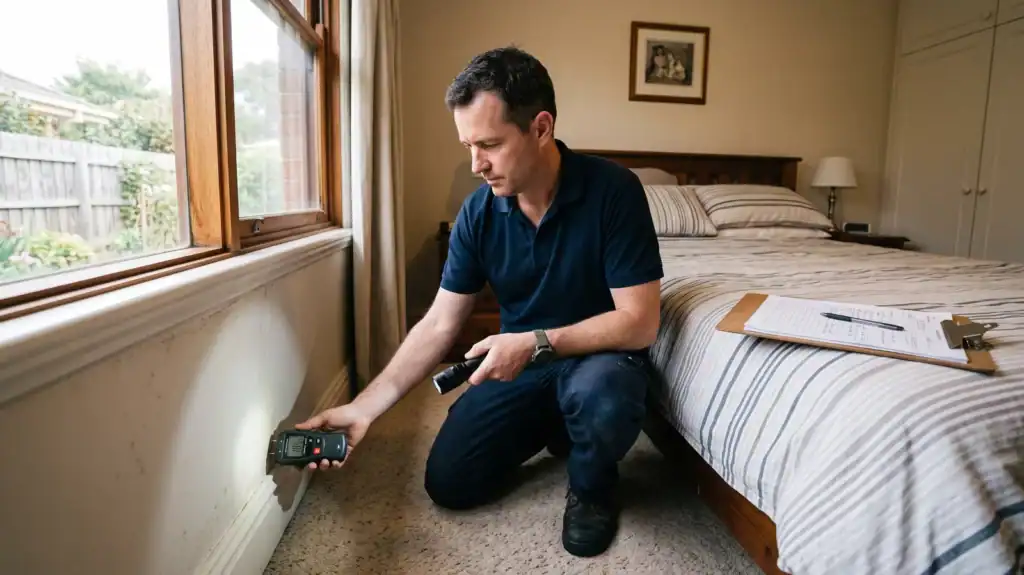
- Book a professional mould inspection. A trained inspector can identify hidden colonies behind walls, in ceiling cavities, and under flooring that you cannot see.
- Address the moisture source. Mould cannot grow without moisture. Leaking pipes, poor ventilation, and rising damp are the most common causes in homes across Newcastle, Lake Macquarie and Port Stephens.
- Arrange professional treatment. Once the colony is identified and the moisture source is addressed, professional remediation eliminates the mould and prevents it from returning.
If you have found mould in your home or business, the most effective first step is a professional mould inspection. Mould and Hygiene Solutions offers inspections across Newcastle, the Central Coast, Lake Macquarie, Hunter Valley and Port Stephens. Contact us today to book yours.
Frequently Asked Questions
How long does it take to get sick from mould exposure?
Symptoms can appear within hours for people with mould allergies or asthma. For others, it takes weeks or months of consistent exposure before symptoms become noticeable. The timeline depends on the mould species, the spore concentration in the air, and the person’s individual sensitivity.
Can you recover from mould poisoning?
Most people recover once the exposure stops. Removing yourself from the mould-affected environment and having the mould professionally treated are both necessary. Respiratory and cognitive symptoms typically improve within weeks to months after the source is eliminated, though people with prolonged exposure may take longer.
How long does mould poisoning last?
As long as the exposure continues, the symptoms continue. Mould poisoning is not a one-off event but a cumulative response to ongoing inhalation of mycotoxins and spores.
Once the mould is removed and the home is treated, symptoms generally begin to resolve within two to four weeks.
Is black mould more dangerous than other types?
Stachybotrys chartarum (black mould) produces mycotoxins that are associated with more severe symptoms, but it is not the only dangerous species. Aspergillus and Penicillium also produce mycotoxins and are found more frequently in Australian homes. Any mould growing indoors should be treated as a health risk regardless of colour.
What are the warning signs of mould toxicity?
The most common warning signs include persistent nasal congestion, chronic fatigue, recurring headaches, brain fog, and respiratory problems that do not improve with standard treatment. Symptoms that worsen indoors and improve when you leave the building are a strong indicator of mould-related illness.
Do air purifiers help with mould?
HEPA air purifiers can reduce airborne spore counts, which may ease symptoms temporarily. They do not address the colony producing those spores.
An air purifier running alongside an active mould colony is managing the symptom, not the cause. The colony must be removed at the root level for the air quality to improve permanently.