A mould rash is your body’s allergic reaction to mould spores, and it signals an active mould problem inside your home.
The rash itself is treatable with creams and antihistamines. But the mould causing it is the real problem, and most people treat the skin while ignoring the source.
This article covers what a mould rash actually looks like, how it differs from other skin conditions, and why treating the rash without treating the mould is a temporary fix at best.
What a Mould Rash Actually Looks Like
A mould rash typically appears as red, itchy patches on skin that has been exposed to mould or airborne mould spores. It looks similar to eczema or contact dermatitis, with dry, flaky skin that may crack or weep in severe cases.
The rash tends to show up on the arms, face, neck and hands. Some people develop raised hives or clusters of small bumps rather than flat patches.
- Red or pink patches that feel warm to the touch
- Dry, scaly skin that flakes or peels
- Raised bumps or hives (urticaria) in clusters
- Persistent itching that worsens when you are indoors
- Cracking or weeping skin in more severe reactions
What makes a mould rash different from a generic allergic rash is the pattern. It follows your exposure.
The rash flares when you are home and settles when you are at work, on holiday, or sleeping elsewhere. That pattern is the strongest clue that mould is the trigger.
How Mould Triggers Skin Reactions
When mould grows on a surface, it releases microscopic spores into the air. In people with sensitivity, these spores trigger an immune response when they land on the skin or are inhaled.
Your body treats the spores as a threat and produces histamine, which causes the inflammation, redness and itching you see as a rash. The Better Health Channel notes that mould spores can trigger allergic reactions including skin rashes, respiratory symptoms and eye irritation.
- Sleeping in a bedroom with hidden mould behind walls or under carpet
- Using a bathroom with mould in grout, silicone or behind tiles
- Sitting near an air conditioner circulating mould spores
- Wearing clothes stored in a damp wardrobe or cupboard
Direct contact is not the only path. Airborne spores settle on bedding, clothing and furniture, so you do not need to touch the mould colony to react.
This is why antihistamine tablets and steroid creams only manage the symptom. They do not stop the spores from reaching your skin every day.
Mould Rash vs Other Common Rashes
Several skin conditions look similar to a mould rash, which makes self-diagnosis unreliable. The table below outlines the key differences.
| Condition | Appearance | Pattern | Key difference |
|---|---|---|---|
| Mould rash | Red patches, hives, flaky skin | Worse indoors, improves away from home | Tied to environment, not season or contact |
| Eczema | Dry, cracked, inflamed patches | Chronic, fluctuates with stress and weather | Often appears in childhood, genetic component |
| Contact dermatitis | Red, blistered, localised rash | Appears after touching an irritant | Limited to the area of contact |
| Heat rash | Small red bumps, prickly feeling | Worse in hot, humid conditions | Resolves quickly once skin cools |
The pattern test: If your rash improves noticeably after 48 hours away from home and returns within days of coming back, mould is a likely trigger. See your GP to confirm.
Why Treating the Rash Without Treating the Mould Fails
Most people visit a doctor, get a cream, and assume the problem is solved. The cream reduces inflammation and the rash fades.
Then it comes back within days or weeks. The mould colony is still producing spores, and your skin is still reacting to them.
Surface cleaning the visible mould does not solve it either. Wiping mould off a wall with bleach or vinegar removes what you can see, but the root structure (hyphae) embedded in the wall remains intact.
- DIY sprays treat the surface only, leaving mould roots alive in the substrate beneath
- Retail products do not identify the moisture source feeding the colony
- Disturbing mould without proper containment spreads spores to other rooms
- Bleach removes surface discolouration but the colony regrows within two to six weeks
- No retail product provides lasting protection against regrowth
The rash is a symptom. The mould colony is the cause.
Treating one without addressing the other means the cycle of rash, cream, regrowth and rash again will continue indefinitely. Professional mould removal is the step that breaks that cycle.
When a Mould Rash Signals a Bigger Problem
Skin reactions are often the first visible sign that mould has spread beyond a minor patch. If one person in the household develops a rash, the spore concentration is already high enough to affect others.
- Multiple family members developing unexplained skin irritation at the same time
- Rash appearing alongside sinus congestion, persistent coughing or eye irritation
- A musty smell in certain rooms, particularly bedrooms and bathrooms
- Visible mould in more than one area of the home
- A rash that clears on holiday but returns within days of coming home
These signs together point to a mould problem that has moved well beyond a single surface patch. According to ASCIA, people with asthma or existing allergies are at higher risk of reacting to mould spores.
Mould exposure can cause respiratory symptoms alongside skin reactions. If you are experiencing both, read our guide on how mould poisoning affects your body over time.
What Professional Mould Treatment Does Differently
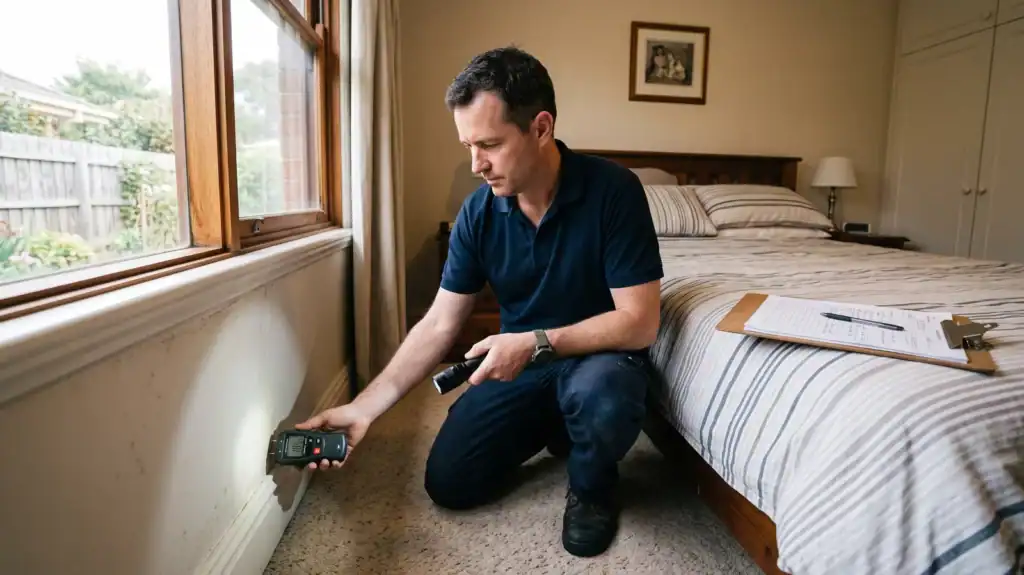
Professional mould treatment addresses the colony at the root level, not just the visible surface. Mould and Hygiene Solutions uses an Australian-made, non-hazardous, non-corrosive and environmentally friendly antimicrobial solution that penetrates the substrate where mould roots grow.
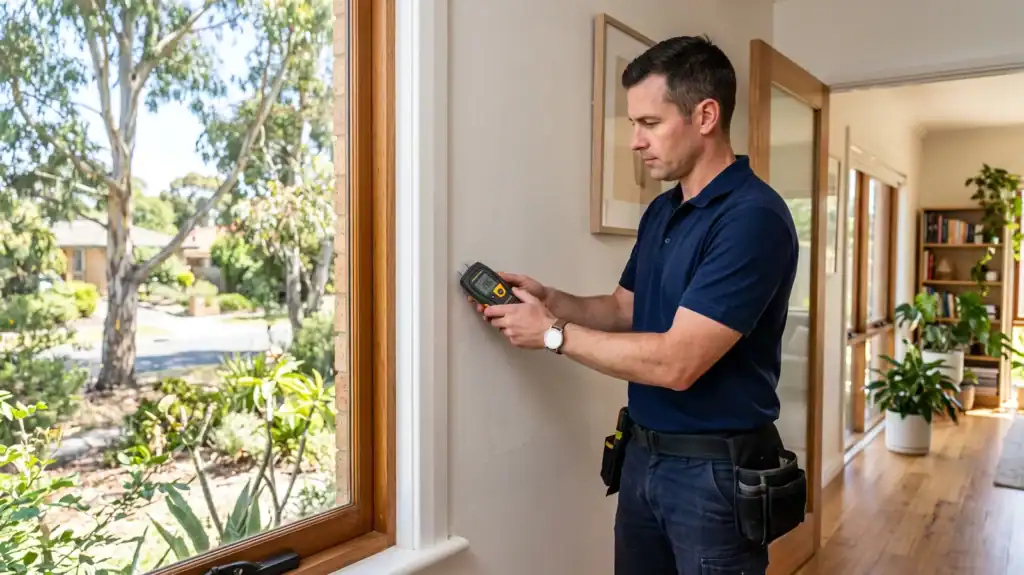
- Full mould inspection to locate every colony, including hidden growth behind walls and under flooring
- Moisture source identification so the conditions driving mould growth are addressed
- Containment procedures to prevent spore spread during treatment
- Application of antimicrobial solution that kills the root structure, not just the surface
- A 12-month mould-free guarantee on every treated area
Homeowners across Newcastle, the Central Coast and Lake Macquarie deal with mould more than most parts of Australia. Coastal humidity combined with older housing stock creates conditions where mould regrows rapidly after DIY attempts, as NSW Health warns is common across the state’s coastal regions.
Professional treatment paired with moisture management is what stops the regrowth cycle. And when the mould stops, the rash stops.
What to Do If You Suspect a Mould Rash
If you have a rash you think is mould-related, here is the practical sequence.
- See your GP to confirm the rash is allergy-related and get appropriate skin treatment
- Test whether it improves after 48 hours away from home
- Inspect your home for visible mould in bathrooms, bedrooms, wardrobes, ceilings and window frames
- Book a professional mould inspection to check for hidden colonies behind walls and under flooring
Do not attempt to clean large mould areas yourself. Disturbing an established colony without containment spreads thousands of spores and can make both the rash and respiratory symptoms worse.
Stop Treating the Symptom
A mould rash is your body telling you the air in your home is not right. Treating the skin without treating the mould means the rash will keep returning.
The only way to break the cycle is to eliminate the mould colony at its source. That means professional treatment that reaches the roots, identifies the moisture problem, and prevents regrowth.
Mould and Hygiene Solutions provides professional mould inspections and treatment across Newcastle, the Central Coast, Lake Macquarie, the Hunter Valley and Port Stephens. Every treated area is backed by a 12-month mould-free guarantee.
Book a professional mould inspection to find the source and fix it for good.