Mould allergy symptoms include persistent sneezing, congestion, itchy eyes and worsening asthma that will not stop until the mould source is removed.
If you have been waking up with a blocked nose or scratchy throat that clears up once you leave the house, mould could be behind it. Plenty of homeowners across Newcastle and the Central Coast put up with these symptoms for months before realising the problem is growing inside their walls, not drifting in from outside.
A 2022 review in the International Journal of Environmental Research and Public Health found that up to half of Australian homes have some level of mould or dampness, making indoor mould one of the most overlooked allergen sources in the country.
Below, we cover the most common mould allergy symptoms, how spores trigger them, and why cleaning the surface never fixes the underlying cause. We also look at when symptoms point to something more serious and what professional treatment actually involves.
Already dealing with visible mould? Read our guide on professional mould removal or find out how mould poisoning affects your body over time.
What Mould Allergy Symptoms Look Like
Mould allergy symptoms look a lot like hay fever, which is exactly why people write them off or blame seasonal pollen. But mould-triggered symptoms tend to hang around year-round and get worse indoors, particularly in rooms with poor ventilation or water damage.
Around one in five Australians experience allergic rhinitis, and mould is one of the most common triggers. It gets overlooked because spores are invisible.
The most reported mould allergy symptoms include:
- Sneezing and a runny or blocked nose that does not respond to standard cold treatments
- Itchy, watery or red eyes, especially when indoors
- Persistent cough or throat irritation without an obvious infection
- Worsening asthma, including wheezing and shortness of breath
- Skin irritation or rashes after touching mould or contaminated surfaces, which can develop into a persistent mould rash on exposed skin
- Fatigue and headaches that improve when you spend time away from the affected building
If several of these symptoms flare up at home but ease off when you are somewhere else, indoor mould is a strong suspect. Surface cleaning might remove what you can see, but the spore source stays active behind walls, under flooring and inside ceiling cavities.
How Mould Spores Trigger Allergic Reactions
Mould reproduces by releasing microscopic spores into the air. When someone with a mould sensitivity breathes those spores in, their immune system treats them as a threat and fires up an inflammatory response.
The inflammatory response is what produces the sneezing, congestion and itchy eyes. Same mechanism as pollen allergies, but unlike pollen, mould spores are present indoors year-round wherever moisture and organic material exist.
How severe your reaction gets depends on a few things:
- Spore concentration: higher counts mean stronger symptoms, and a hidden colony behind a wall can produce thousands of spores daily
- Mould species: Aspergillus, Cladosporium, Alternaria and Stachybotrys all trigger allergies, with Aspergillus being one of the most common indoor species in Australian homes and some producing toxic mycotoxins
- Individual sensitivity: people with existing asthma, eczema or a family history of allergies react more strongly
- Exposure duration: symptoms worsen the longer you live with an active mould source
You do not need to see mould to be breathing in spores. A colony growing behind plasterboard or inside a wall cavity can push spores into your living space through gaps, vents and cracks. Even cleaning your aircon filter will not stop mould spores from circulating if a colony is active inside the unit or ductwork. Professional mould testing identifies hidden sources that visual inspections miss.
Why Your Symptoms Keep Coming Back After Cleaning
We hear the same story from homeowners across the Central Coast and Hunter Valley. They scrub the mould off the bathroom ceiling, spray bleach, and the symptoms ease for a week or two. Then the sneezing starts again.
Retail mould sprays and bleach only affect the surface layer of a mould colony. That is the whole problem.
Mould grows root structures called hyphae that penetrate into grout, plasterboard, timber and paint. Wiping the surface removes the visible growth but leaves the root network intact.
When you clean mould yourself, you are really just resetting a timer:
- You scrub or spray the visible mould, removing the surface discolouration
- The hyphae embedded in the material beneath are completely unaffected
- Disturbing the colony releases a burst of spores into the air, which can actually make allergy symptoms worse in the short term
- The moisture source that caused the mould in the first place is still there
- Regrowth begins within two to six weeks, and your symptoms come back
The cycle repeats until the root structure is killed and the moisture source is sorted out. No retail product sold in Australia penetrates deep enough to reach established hyphae.
When Mould Allergy Symptoms Turn Serious
For most healthy adults, mould allergy symptoms are annoying but manageable in the short term. Prolonged exposure is where things get more serious.
The NSW Department of Health notes that extended mould exposure can worsen existing respiratory conditions and may even cause new sensitivities to develop. People with asthma are especially at risk.
| Symptom severity | Typical signs | Action needed |
|---|---|---|
| Mild | Occasional sneezing, minor congestion, slight eye irritation | Identify and address the mould source |
| Moderate | Daily congestion, persistent cough, disrupted sleep, skin reactions | Professional inspection to locate hidden colonies |
| Severe | Asthma attacks, chronic sinus infections, breathing difficulty, fatigue | Urgent professional assessment and treatment |
Some people are more at risk from ongoing mould exposure than others:
- Children and infants, whose respiratory systems are still developing
- People with asthma or chronic obstructive pulmonary disease
- Anyone with a compromised immune system
- Elderly residents
If your symptoms have been gradually getting worse over weeks or months, waiting it out will not help. The colony keeps growing, the spore count keeps rising, and your body cops more strain the longer it goes on.
How Mould Allergies Are Diagnosed
If your symptoms persist and get worse indoors, a GP or allergist can confirm whether mould is the trigger. Two standard tests are used in Australia:
- Skin prick test: a small amount of mould allergen extract is applied to the skin, usually on the forearm. A raised bump within 15 to 20 minutes indicates sensitivity to that mould species
- Blood test (specific IgE): measures the level of immunoglobulin E antibodies your body produces in response to mould allergens. Useful when a skin prick test is not suitable
Keeping a symptom diary helps your doctor narrow the cause. Note when symptoms start, which rooms are worst, and whether they ease off when you leave the building. If the pattern keeps pointing to one location, indoor mould is a strong possibility.
Confirming the allergy is the medical half. Finding the actual source requires a professional mould inspection of the property.
How to Manage Mould Allergy Symptoms
Your GP may recommend one or more of these to keep symptoms under control while the mould source is being sorted out:
- Antihistamines (over-the-counter) to reduce sneezing, itching and runny nose
- Nasal corticosteroid sprays (prescription) to relieve persistent congestion and inflammation
- Decongestants for short-term relief of blocked nasal passages
- Immunotherapy (allergy desensitisation) for severe or long-term cases, delivered as injections or sublingual drops over several years
All of these manage the allergic reaction, but none address the cause. As long as an active mould colony remains in the building, spore exposure continues and symptoms come back the moment you stop taking medication. You are managing the reaction, not fixing the problem.
The Problem With Surface Cleaning
Every hardware store in Newcastle sells mould spray. These products do exactly what they claim: they remove mould from surfaces.
But surface mould is not what causes your allergy symptoms. Airborne spores are.
A visible patch of mould on a bathroom ceiling is just the tip of a much larger colony. Most of the growth sits inside the material itself, and that hidden biomass is what continuously releases spores into your breathing air.
- Bleach strips surface colour but does not kill embedded roots, and the fumes can irritate your airways further
- Vinegar kills some surface mould species but has zero penetration into porous materials
- Tea tree oil sprays are mildly antifungal on contact but evaporate before reaching the root structure
- Sugar soap cleans the surface staining but does nothing to the living colony beneath
Scrubbing mould without proper containment also scatters spores through the room. If you have a mould allergy, cleaning mould without protection can trigger a worse allergic reaction than leaving it alone.
Important: Disturbing a mould colony without containment equipment spreads spores to other rooms. If you have active allergy symptoms, DIY removal is likely to make them worse before they get better.
What Professional Mould Treatment Actually Does
Professional treatment works differently because it targets the root structure, not just the surface. Mould and Hygiene Solutions uses an Australian-made, non-hazardous, non-corrosive and environmentally friendly antimicrobial solution that penetrates into substrates to kill mould at the hyphae level.
A full mould remediation program treats the colony, the moisture source and the affected materials in a single coordinated process. Here is what a typical treatment looks like:
- Full property inspection to identify every mould source, including hidden colonies behind walls and in ceiling cavities
- Moisture source identification to find the leak, condensation issue or ventilation problem driving the growth
- Contained treatment using industrial-grade antimicrobial solution that penetrates the substrate and kills root structures
- Surface restoration to remove visible staining and contamination
- Prevention advice tailored to your property, covering ventilation, moisture control and ongoing maintenance
Mould and Hygiene Solutions backs every treatment with an unconditional 12-month mould-free guarantee. If the treated mould returns within 12 months, they come back at no extra cost.
They can offer that guarantee because the treatment actually reaches the root structure. No retail product can make the same promise, because none of them get to the underlying colony.
How to Get Your Home Assessed for Mould
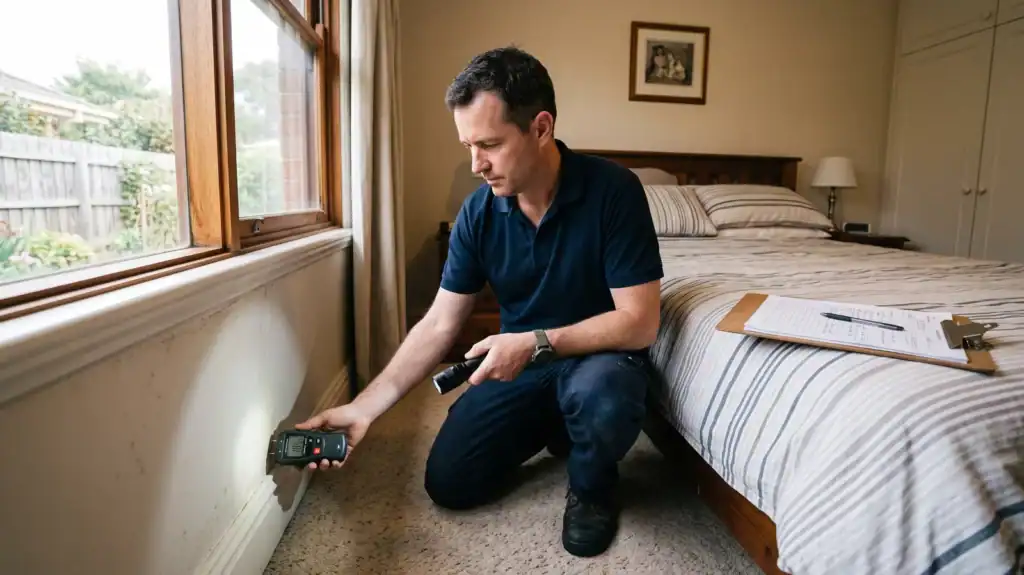
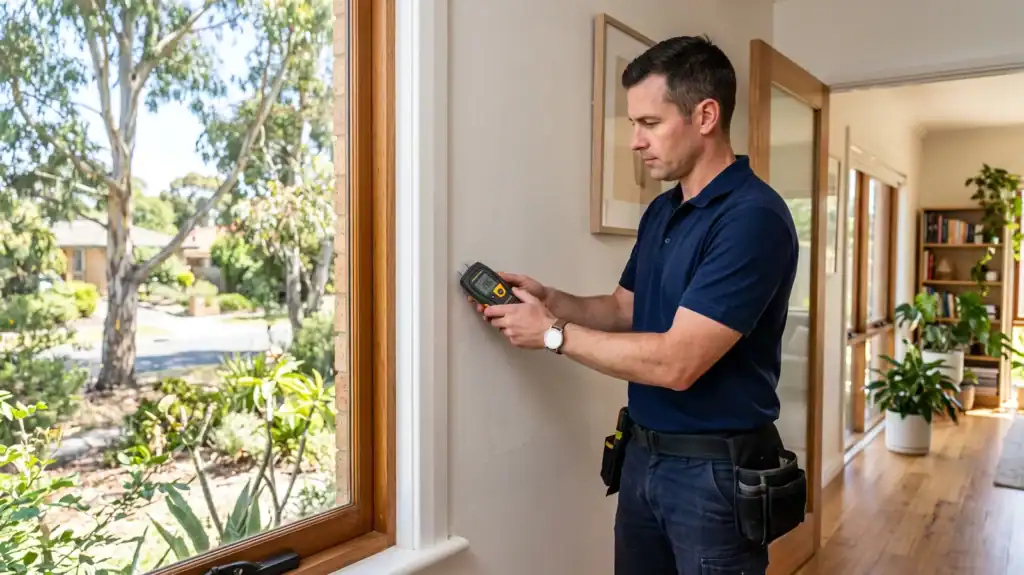
If you have been dealing with allergy symptoms that get worse at home, a professional mould inspection to identify hidden colonies and moisture sources is the logical next step. An inspection tells you what is growing, where it is growing, and what is feeding it.
A written inspection report is useful for property managers and owners who need documentation for insurance, maintenance records or tenant communication. Ongoing mould prevention recommendations tailored to your property come as part of the assessment.
- Visual and instrument-based assessment of every room
- Identification of moisture sources (leaks, condensation, poor ventilation)
- Written report with findings and recommended treatment
- Clear pricing for any treatment needed
Mould and Hygiene Solutions services properties across Newcastle, the Central Coast, Maitland, the Hunter Valley and surrounding areas. Book a professional mould inspection to find out what is causing your symptoms and get it sorted properly.
Frequently Asked Questions
How do you tell if you have a mould allergy?
Look for a pattern. If symptoms like sneezing, congestion and itchy eyes start or get worse when you are indoors and ease off when you leave the building, mould is worth investigating. A GP can confirm it through a skin prick test or a blood test that measures your IgE antibody response to specific mould species.
Can mould allergy symptoms be mistaken for a cold?
All the time. Sneezing, a runny nose and a sore throat show up with both. The giveaway is duration and location. A cold usually clears up within seven to ten days. Mould allergy symptoms drag on for weeks or months and tend to get worse in specific rooms or buildings where mould is present.
Does mould allergy get worse over time?
With continued exposure, yes. The longer you live with an active mould source, the higher the spore count in your home gets and the more sensitised your immune system becomes. What starts as mild congestion can progress to chronic sinusitis, persistent coughing and worsening asthma.
What are the warning signs of mould toxicity?
Beyond the usual allergy symptoms, prolonged mould exposure can cause persistent fatigue, headaches, difficulty concentrating and recurring respiratory infections. If you are experiencing those, the exposure has likely gone past a simple allergic reaction. See your GP and arrange an urgent professional mould inspection of your property.
Can you develop a mould allergy later in life?
Yes. Allergies can develop at any age. Repeated mould exposure can sensitise your immune system even if you have never reacted before. Moving into a property with an existing mould problem is one of the more common triggers for adult-onset mould allergies.
Is mould more dangerous for children than adults?
Children are more vulnerable because their lungs are still developing and they breathe faster relative to their body size, so they take in more spores per kilogram. The NSW Department of Health lists children as a higher-risk group for mould-related health effects.
Will removing mould stop my allergy symptoms?
If mould is the confirmed allergen, removing the source stops the ongoing spore exposure and your symptoms should resolve. But surface cleaning alone is not enough. The mould colony, its root structure and the underlying moisture problem all need to be dealt with for symptoms to stop permanently.
How do I know if my home has hidden mould?
Common signs include a persistent musty smell, allergy symptoms that worsen in specific rooms, and visible water stains or dampness on walls and ceilings. Mould frequently grows behind plasterboard, under flooring and inside wall cavities where you cannot see it. Understanding what mould smells like can help you pick up on a problem before it becomes visible.
How can I reduce mould exposure while waiting for treatment?
Open windows to improve airflow, use exhaust fans in bathrooms and kitchens, and run a dehumidifier to keep indoor humidity below 60 percent. Do not try to scrub visible mould, because disturbing it without containment just releases more spores into the air. If the mould is in another part of the house, keep bedroom doors closed.