Methylated spirits kills mould on the surface, but the colony underneath stays alive.
Homeowners across Newcastle and the Central Coast reach for metho when mould appears on bathroom tiles, window frames and walls. It is one of the most common household solvents in Australia and it does strip visible mould on contact. The problem starts two to six weeks later when the mould grows back in the same spot.
This article explains how methylated spirits works on mould, where it falls short, and why surface cleaning cannot fix a mould problem that has taken hold in your home. If you want the full picture on mould removal options, our guide on what kills mould covers the lot.
Related reading: We have tested and written about several common DIY mould treatments. See our articles on bleach, vinegar, clove oil, eucalyptus oil and sugar soap for mould.
How Does Methylated Spirits Kill Mould on Contact
Methylated spirits is denatured ethanol, typically sold at around 95% concentration in Australia. When applied to a mould colony, the alcohol disrupts the cell membranes of the mould on the surface. According to mycologist Dr Heike Neumeister-Kemp, the ethanol causes surface spores to burst on contact, which stops those individual spores from reproducing.
The standard method is to mix 80% methylated spirits with 20% water in a spray bottle, apply it to the affected area, and wipe clean after a few minutes. Some sources recommend a 70/30 ratio. Either way, the visible mould disappears quickly.
- What metho does: dissolves and kills surface mould cells on contact
- Active ingredient: denatured ethanol (roughly 95% concentration)
- Contact time: works within minutes of application
- Residue: evaporates completely, leaving no chemical residue behind
- What it does not do: reach mould roots (hyphae) embedded in porous materials
That last point is the critical one. Methylated spirits evaporates before it can soak into plasterboard, grout, timber or other porous materials where mould roots sit.
The surface looks clean. The root structure underneath is completely untouched. Research published by Mycolab, an Australian mould testing laboratory, confirms that alcohol-based solvents have little to no effect on spores embedded in porous substrates.
Why Methylated Spirits Fails to Kill Mould Long-Term
By the time you can see mould on a wall or ceiling, the colony has already grown root-like structures called hyphae deep into the material beneath. These hyphae are what keep the colony alive. Methylated spirits cannot reach them because it evaporates from the surface before soaking through porous substrates like plasterboard, timber or silicone.
This is the same problem with every retail mould product. Bleach bleaches the discolouration but leaves the roots. Vinegar has mild antifungal properties but evaporates before it can do real damage to a colony.
Metho is no different. The Western Australian Museum conservation guide notes that alcohol-based treatments are useful for surface decontamination but do not address underlying fungal colonies in porous materials.
| Factor | Methylated Spirits | Professional Antimicrobial Treatment |
|---|---|---|
| Kills surface mould | Yes | Yes |
| Reaches mould roots in substrate | No | Yes, penetrates porous materials |
| Kills airborne spores | No | Yes, with containment and air scrubbing |
| Identifies moisture source | No | Yes, included in inspection |
| Prevents regrowth | No | Yes, backed by 12-month guarantee |
| Lasting protection | Evaporates in minutes | Residual antimicrobial barrier |
There are three reasons methylated spirits fails as a long-term mould treatment.
- The roots survive. Hyphae embedded in plaster, wood or grout are completely unaffected by a surface wipe.
- Spores spread during cleaning. Wiping or scrubbing mould without proper containment sends spores airborne throughout the room. You may clean one wall and find mould appearing on another within weeks.
- The moisture source stays. Mould grows because something is keeping the material damp. Condensation, a leaking pipe, poor ventilation. Metho does nothing about any of these.
If your mould returns within weeks of cleaning, the root structure is still active beneath the surface. Repeated surface cleaning will not change this. A professional mould inspection identifies both the colony extent and the moisture source driving the growth.
Surfaces Where Methylated Spirits Can Cause Damage
Methylated spirits is a solvent. It dissolves certain finishes and materials on contact, which means using it carelessly can cause more damage than the mould itself. Diggers Australia, the largest metho manufacturer in the country, warns against using it on several common household surfaces.
- Painted surfaces: metho strips paint and can leave discoloured patches on walls
- Varnished or lacquered timber: the solvent dissolves the finish, exposing raw wood
- Plastic fittings: some plastics cloud, crack or degrade on contact with ethanol
- French-polished furniture: shellac dissolves instantly in methylated spirits
- Rubber seals: repeated use can dry out and crack rubber around windows and doors
Even on surfaces where metho is safe to use, like ceramic tiles and glass, you are still only addressing what you can see. The mould in the grout lines between those tiles sits below the surface.
When Methylated Spirits Is Enough for Mould
There are a small number of situations where methylated spirits is a reasonable short-term response. All of them involve minor surface mould on non-porous materials where no deeper colony has established.
- A small patch of mould on a glass shower screen or mirror
- Fresh mould on glazed ceramic tiles that appeared in the last few days
- Light surface mould on a stainless steel or aluminium frame
- A temporary clean while waiting for a professional inspection
If the mould covers an area larger than roughly one square metre, has been present for more than a few weeks, or keeps returning after you clean it, metho is not going to solve the problem. At that point, the colony has established itself in the substrate and you need treatment that actually reaches it.
Mould on porous materials like plasterboard, timber, carpet or fabric? Methylated spirits will not fix it. Read our guide on professional mould removal to understand what is involved.
What Professional Mould Treatment Does That Metho Cannot
Mould and Hygiene Solutions uses an Australian-made, non-hazardous, non-corrosive and environmentally friendly antimicrobial solution that works completely differently to methylated spirits. Instead of sitting on the surface and evaporating, this solution penetrates into porous substrates to kill the mould root structure at the source.
Professional treatment also addresses the three things that metho cannot touch.
- Root-level treatment. The antimicrobial solution soaks into plasterboard, timber, grout and other porous materials to kill hyphae where they live.
- Containment and spore control. Proper containment prevents spores from spreading to other rooms during the removal process.
- Moisture source identification. Every inspection includes finding what is keeping the area damp. Without fixing the moisture, any treatment is temporary.
The result is backed by an unconditional 12-month mould-free guarantee. If the mould returns within 12 months, Mould and Hygiene Solutions comes back at no extra cost. No retail product, including methylated spirits, can offer that because none of them treat the actual cause.
For more on how mould testing works, see our mould testing page. If you want to understand the full treatment process, visit mould remediation.
Get Your Mould Problem Assessed Properly
Methylated spirits is fine for wiping a small patch of fresh mould off a bathroom mirror. For anything beyond that, it is a temporary fix that lets the real problem keep growing behind the scenes.
Mould and Hygiene Solutions provides professional mould inspections and removal across Newcastle, the Central Coast, Lake Macquarie, Hunter Valley and Port Stephens. Every job uses the same antimicrobial treatment backed by a 12-month mould-free guarantee.
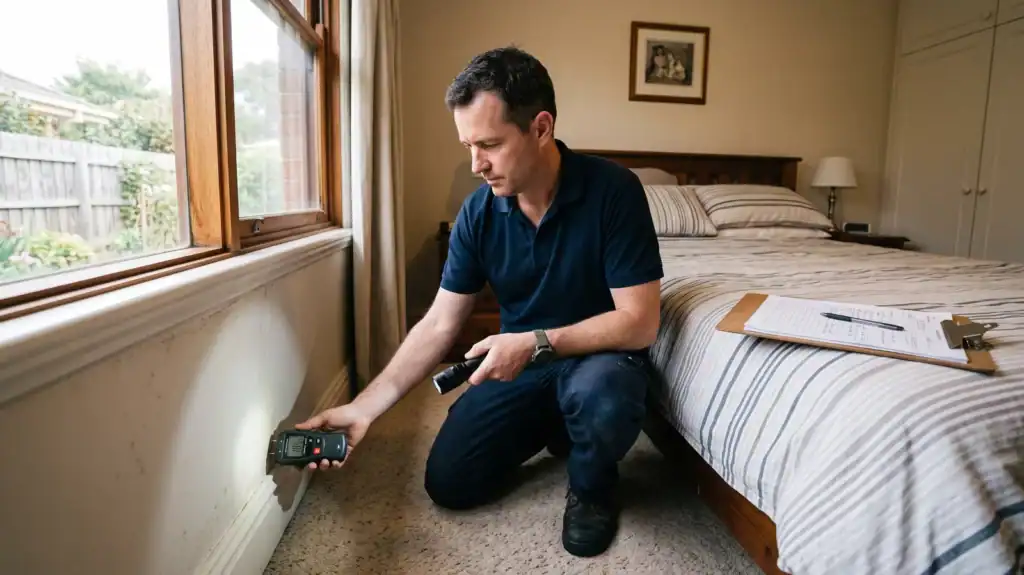
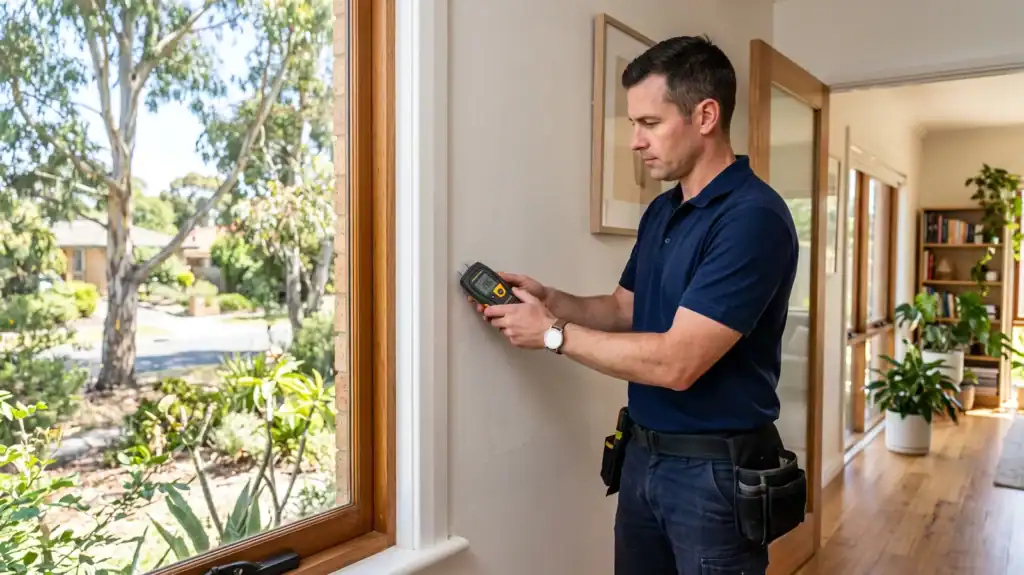
- Full inspection to identify the extent of the mould and the moisture source
- Treatment that reaches root structures in porous materials
- Written report detailing findings and actions taken
- Ongoing prevention advice tailored to your property
Book a professional mould inspection and find out what is actually going on behind the surface your metho keeps cleaning.