Eucalyptus oil can kill surface mould spores but cannot penetrate to eliminate the root structure beneath.
Many Australian homeowners turn to natural remedies when they first notice mould appearing on bathroom tiles, walls or ceiling corners. The appeal is understandable, you want a quick fix without harsh chemicals or the cost of professional help.
This article examines the scientific evidence behind eucalyptus oil as a mould treatment, explains how to use it properly, compares its effectiveness against other methods, and identifies when you actually need professional intervention. The answer isn’t as straightforward as many natural remedy guides suggest.
Does Eucalyptus Oil Kill Black Mould
Eucalyptus oil contains compounds with antifungal properties that can kill black mould spores on contact. The primary active ingredient, 1,8-cineole (also called eucalyptol), disrupts fungal cell membranes and inhibits spore reproduction when applied at sufficient concentrations.
However, here’s what most online guides won’t tell you about does eucalyptus oil kill mould: it only works on surface spores. Black mould (Stachybotrys chartarum) develops extensive root structures called hyphae that penetrate porous materials like plaster, wood and grout.
- Surface application removes visible mould but leaves roots intact beneath
- Regrowth typically appears within 2-6 weeks after natural oil treatments
- Porous surfaces absorb the oil before it reaches deep-seated root structures
- Black mould produces mycotoxins that remain even after surface spores are killed
Having treated hundreds of properties across Newcastle and the Central Coast, James from Mould and Hygiene Solutions consistently sees the same pattern. Homeowners try natural remedies first, get temporary surface improvement, then call for professional help when the mould returns more extensively.
The issue isn’t that eucalyptus oil lacks antifungal properties. The problem is application depth and concentration stability over time.
How to Use Eucalyptus Oil for Mould Removal
If you’re determined to try eucalyptus oil before calling professionals, proper application matters. Most people use concentrations too weak to have any real antifungal effect.
Preparation and Dilution
- Mix 20-25 drops of pure eucalyptus essential oil per 500ml of water
- Add 1 teaspoon of liquid soap to help the oil disperse in water
- Pour into a clean spray bottle and shake vigorously before each use
- Test on an inconspicuous area first to check for surface discolouration
Application Process
Spray the affected area thoroughly until saturated. Leave the solution on the surface for at least 15-20 minutes before wiping.
Ventilate the room well during application. While eucalyptus oil is considered safer than bleach, concentrated exposure can cause respiratory irritation in sensitive individuals.
- Apply to dry surfaces (moisture dilutes the concentration further)
- Use a microfibre cloth rather than scrubbing brushes that spread spores
- Repeat every 48 hours for one week to catch new spore germination
- Do not mix with other cleaning products, especially bleach or ammonia
Important limitation: Eucalyptus oil cannot reach mould growing inside wall cavities, under flooring, or within HVAC systems. These hidden colonies account for most serious mould problems in Australian homes and require proper inspection before treatment.
What Essential Oils Are Best for Killing Mould
Several essential oils demonstrate antifungal activity in laboratory settings. Research published by the National Centre for Biotechnology Information examined various natural compounds against common household moulds.
| Essential Oil | Active Compound | Effectiveness Against Mould | Typical Concentration |
|---|---|---|---|
| Eucalyptus | 1,8-cineole | Moderate surface activity | 4-5% in water |
| Tea Tree | Terpinen-4-ol | Strong surface activity | 2-3% in water |
| Clove | Eugenol | Strong but harsh odour | 1-2% in water |
| Thyme | Thymol | Moderate with residual effect | 2-3% in water |
| Cinnamon | Cinnamaldehyde | Strong but can stain surfaces | 1-2% in water |
Tea tree oil typically shows slightly stronger antifungal properties than eucalyptus in controlled studies. However, both face the same fundamental limitation: they cannot eliminate subsurface root structures.
The oils listed above work through different mechanisms. Some disrupt cell walls, others interfere with spore reproduction, and a few prevent biofilm formation that protects mould colonies.
- Combining oils doesn’t necessarily improve effectiveness due to interaction effects
- Quality varies dramatically between brands and extraction methods
- Synthetic fragrance oils have zero antifungal properties despite similar smell
- UV exposure and heat degrade active compounds within weeks of opening
Is Eucalyptus Oil Better Than Vinegar for Mould
White vinegar (5-8% acetic acid) and eucalyptus oil work through completely different mechanisms, and neither provides a lasting solution. Vinegar lowers surface pH to levels where most moulds cannot survive, while eucalyptus oil physically damages fungal cell structures.
Testing completed on common Australian household mould species shows vinegar kills approximately 80-85% of surface spores. Eucalyptus oil at proper concentration kills 75-82% under ideal conditions.
Practical Differences
- Vinegar leaves acidic residue that temporarily discourages regrowth for 7-10 days
- Eucalyptus oil evaporates completely, leaving no protective residue
- Vinegar can damage natural stone, grout seals and some metal fixtures
- Eucalyptus oil may stain or discolour porous surfaces like unsealed timber
- Vinegar smell dissipates within hours; eucalyptus fragrance lingers for days
The real question isn’t which natural remedy works better. Both treatments only address surface symptoms while ignoring the underlying moisture problem that allows mould to establish root systems.
After more than 1,000 properties serviced across the Hunter Valley and Central Coast, the pattern is unmistakable. Homes where occupants repeatedly apply natural remedies often develop more extensive hidden mould growth because the visible problem keeps getting temporarily masked.
How Long Does It Take Eucalyptus Oil to Kill Mould
Laboratory studies show eucalyptus oil begins disrupting fungal cell membranes within 5-10 minutes of direct contact. Complete spore death on non-porous surfaces typically occurs within 15-30 minutes at concentrations above 3%.
Real-world conditions produce much slower and less complete results. Surface texture, humidity levels, temperature and material porosity all affect contact time and penetration depth.
- Smooth tiles and glass: visible results within 30-60 minutes
- Painted plaster: surface cleaning in 1-2 hours, root structure untouched
- Grout and porous stone: minimal penetration regardless of contact time
- Wood and fabric: absorption prevents sufficient surface concentration
The timeframe that actually matters is regrowth. When asked does eucalyptus oil kill mould permanently, the answer is no.
Surviving root structures begin producing new surface growth within 14-21 days if moisture conditions remain unchanged. This is why professional treatments that target root systems and include a proper assessment of structural moisture problems come with guarantees.
The 12-month guarantee difference: Mould and Hygiene Solutions provides an unconditional 12-month mould-free guarantee because the Australian-made antimicrobial treatment eliminates root structures, not just surface spores. No natural remedy can offer this assurance because the application method cannot reach subsurface colonies.
Can Eucalyptus Oil Prevent Mould Growth
Eucalyptus oil has no residual protective properties once it evaporates. Unlike professional antimicrobial coatings that create lasting protective barriers, essential oils provide temporary contact-kill activity only.
Some online guides suggest regular eucalyptus oil application as prevention. This approach misunderstands how mould establishes in Australian homes.
Why Surface Treatment Cannot Prevent Mould
- Mould spores are everywhere in normal indoor air, landing constantly on all surfaces
- Germination occurs when moisture content in materials exceeds 20% for 24-48 hours
- Eucalyptus oil does not reduce material moisture content or improve ventilation
- Weekly application becomes impractical and expensive compared to addressing moisture sources
Genuine prevention requires controlling the environmental conditions that allow mould to grow. According to NSW Health guidelines, this means maintaining indoor relative humidity below 60%, ensuring adequate ventilation, fixing water leaks promptly, and improving natural light exposure.
Understanding what works for lasting protection means looking beyond temporary surface treatments to systems that address moisture at its source.
What Concentration of Eucalyptus Oil Kills Mould
Research indicates minimum effective concentrations between 2-5% pure eucalyptus oil for antifungal activity against common household moulds. Lower concentrations may smell pleasant but lack sufficient active compounds to disrupt fungal cells.
Most commercially available eucalyptus cleaning products contain 0.1-0.5% concentration, far below therapeutic levels. These products rely primarily on surfactants and other cleaning agents, with eucalyptus added mainly for fragrance.
- 2-3% concentration: minimum for any measurable antifungal effect
- 4-5% concentration: optimal balance of effectiveness and safety for home use
- 6-8% concentration: increased efficacy but higher risk of skin and respiratory irritation
- 10%+ concentration: not recommended for residential application without protective equipment
Even at optimal concentrations, eucalyptus oil penetrates less than 1-2mm into porous materials. Professional antimicrobial treatments used by qualified technicians achieve 10-15mm penetration on the same surfaces.
This penetration difference explains why DIY surface treatments require constant reapplication while proper remediation from specialists comes with long-term guarantees. The depth of treatment determines durability of results.
Does Eucalyptus Oil Work on All Types of Mould
Different mould species show varying susceptibility to eucalyptus oil compounds. Surface-growing species like Cladosporium and Penicillium show moderate sensitivity, while deeply rooted species like Stachybotrys (black mould) and Chaetomium demonstrate significant resistance.
The variability comes down to cell wall composition, biofilm production and growth pattern. Some moulds produce protective extracellular matrices that eucalyptus oil cannot penetrate effectively.
- Aspergillus species: moderate surface response, extensive subsurface survival
- Stachybotrys (black mould): poor response due to thick biofilm and deep root systems
- Cladosporium: best surface response but rapid recolonisation from surviving roots
- Alternaria: moderate surface effectiveness, frequent regrowth within weeks
- Fusarium: poor response, especially in water-damaged areas with ongoing moisture
Without professional testing that identifies specific species present, homeowners cannot know whether eucalyptus oil has any realistic chance of effectiveness. Most visible mould growth represents multiple species colonising simultaneously.
Getting a proper assessment through professional inspection provides accurate identification and appropriate treatment recommendations based on actual conditions, not hopeful experimentation.
Is Eucalyptus Oil Safe for Mould Removal Indoors
Eucalyptus oil is generally safer than bleach or ammonia-based cleaners for indoor use. However, concentrated essential oils still present risks that most natural remedy guides downplay.
Respiratory Considerations
- Strong vapours can trigger asthma attacks or breathing difficulties in sensitive individuals
- Children under 3 and pregnant women should avoid direct exposure to concentrated applications
- Adequate ventilation is essential during and for 2-3 hours after application
- People with chronic respiratory conditions should consult health professionals before use
Contact and Ingestion Risks
Undiluted eucalyptus oil causes skin irritation and chemical burns with prolonged contact. Even diluted solutions can cause reactions in people with sensitive skin or existing dermatological conditions.
Pets, particularly cats, lack enzymes to metabolise eucalyptol and can experience serious toxicity from exposure to treated surfaces. The RSPCA advises keeping pets away from areas treated with essential oils until completely dry.
- Always wear gloves during mixing and application
- Store concentrated oils in childproof containers away from food and medicine
- Never apply to surfaces where food is prepared or consumed
- Seek immediate medical attention if oil is ingested or gets in eyes
Professional antimicrobial treatments used by qualified specialists like those at Mould and Hygiene Solutions are specifically formulated as non-hazardous for indoor residential use. These solutions undergo rigorous safety testing and meet Australian standards for indoor air quality after application.
When Natural Remedies Aren’t Enough
Understanding when does eucalyptus oil kill mould effectively versus when you need professional intervention protects your property value and family health. Surface treatments cannot address the three conditions required for complete mould elimination: root structure removal, moisture source correction and protective surface treatment.
Mould and Hygiene Solutions sees the same progression repeatedly across Newcastle, the Central Coast, Lake Macquarie and the Hunter Valley. Homeowners try bleach for a few weeks, then natural oils for another month, then finally call when the problem has spread to wall cavities or caused visible structural damage.
Professional treatment differences: Australian-made non-hazardous antimicrobial solutions penetrate deep into porous materials to eliminate root structures. Treatment includes moisture assessment, source correction recommendations, and application of protective barriers that prevent recolonisation. This is why Mould and Hygiene Solutions confidently offers an unconditional 12-month mould-free guarantee.
Signs You Need Professional Assessment
- Mould covering more than 1 square metre of surface area
- Regrowth within 2-3 weeks after any cleaning treatment
- Visible mould on multiple walls or in multiple rooms
- Musty odours with no visible mould (indicating hidden growth)
- Mould appearing after water damage, flooding or leak repairs
- Black or dark green mould (potentially toxic species requiring identification)
- Respiratory symptoms that improve when away from the property
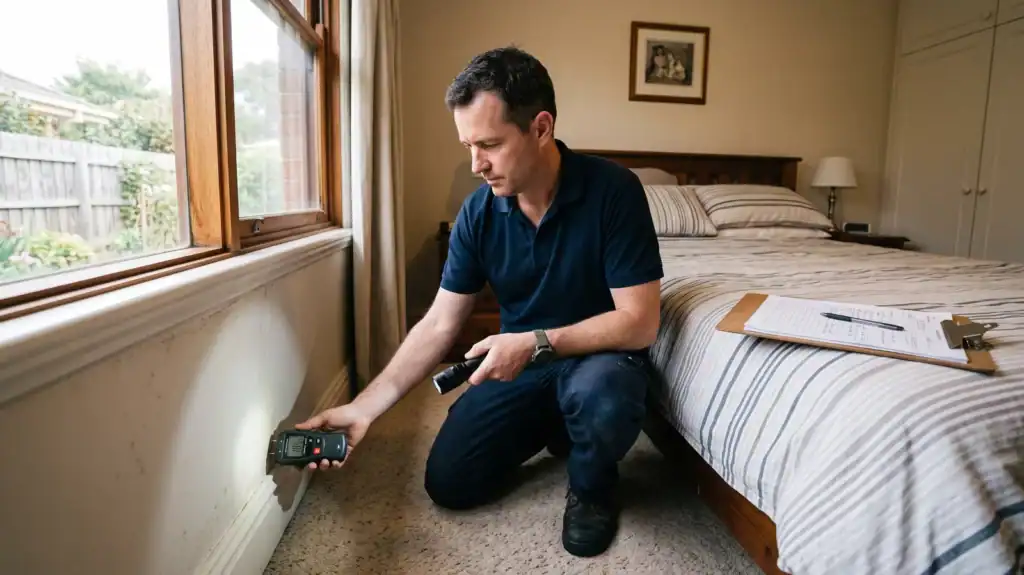
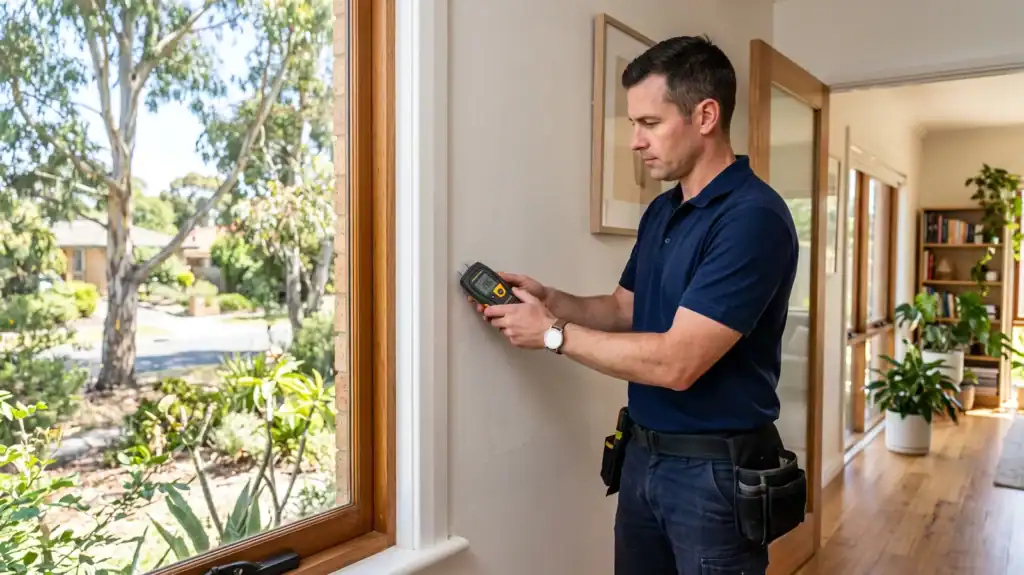
Professional inspection identifies not just visible growth but moisture mapping that reveals hidden colonies, species identification through testing, source analysis for long-term prevention, and proper treatment protocols based on material type and extent of contamination.
James completes every inspection and treatment personally at Mould and Hygiene Solutions, ensuring consistent quality and direct accountability. The approach focuses on permanent resolution, not temporary symptom management that requires ongoing retreatment.
Understanding the science behind natural remedies like eucalyptus oil helps you make informed decisions. While these treatments offer limited surface-level benefits, they cannot replace comprehensive assessment and professional treatment when mould has established root systems in your property.
If you’re dealing with persistent mould problems across Newcastle, the Central Coast, Lake Macquarie, Hunter Valley or Port Stephens, book a free mould inspection with Mould and Hygiene Solutions. Getting accurate assessment of what’s actually growing in your property and why it keeps returning is the first step toward lasting resolution backed by Australia’s only unconditional 12-month mould-free guarantee.