Professional mould removal is worth it because DIY methods only treat the surface.
Many homeowners across Newcastle and the Central Coast try to handle mould themselves first. It is an understandable response when you notice black spots on the bathroom ceiling.
The problem is that by the time mould is visible on a surface, the colony has already established itself in the material underneath. This article breaks down exactly why DIY falls short and what professional mould removal actually involves.
Dealing with mould in your home or business? Book a professional mould inspection with Mould and Hygiene Solutions to find out what is going on behind your walls.
What happens when you scrub mould off a wall
Spraying bleach or a retail mould cleaner can remove visible discolouration. The wall looks cleaner, but the damp conditions and any growth inside porous material remain.
Mould grows across the visible surface and sends microscopic filaments called hyphae into porous material. Bleach, vinegar and retail sprays are surface cleaners, not a remedy for growth inside plasterboard, timber or grout.
- Surface cleaning can remove a mark without treating growth inside porous material
- Scrubbing can disturb mould and move spores and contaminated dust beyond the original area
- A retail product cannot identify a roof leak, plumbing leak, condensation or inadequate ventilation
- Porous material may need professional cleaning or replacement when it cannot be cleaned and dried completely
This is why homeowners often describe mould as “coming back” after cleaning. Surface cleaning did not resolve the growth inside the material or the conditions that allowed it to develop.
Why DIY mould removal fails at the root level
DIY products are designed for surface cleaning. They can remove visible stains, but they do not treat growth within porous walls, ceilings or grout.
There are three specific reasons retail products cannot match professional treatment:
- No treatment inside porous material. Supermarket sprays are applied to the exposed face. Growth embedded in plasterboard, timber or silicone remains out of reach.
- No containment. Disturbing mould without isolating the work area can spread spores and contaminated dust. The US Environmental Protection Agency’s remediation guidance says containment is used to limit mould spreading through a building.
- No moisture diagnosis. Mould needs moisture to grow. Retail products do nothing about the condensation, leak or ventilation issue feeding the colony.
NSW Health says mould is likely to return unless the cause is treated. Its guidance also notes that contaminated absorbent materials such as carpet may need professional cleaning or replacement.
If you have cleaned the same mould patch more than once, the DIY approach has not resolved the problem. The next step is to locate the moisture source and assess how far the growth extends.
What professional mould removal actually involves
Professional mould removal is a different process to surface cleaning. It treats the affected material and investigates the moisture causing the mould.
A typical professional treatment follows four steps:
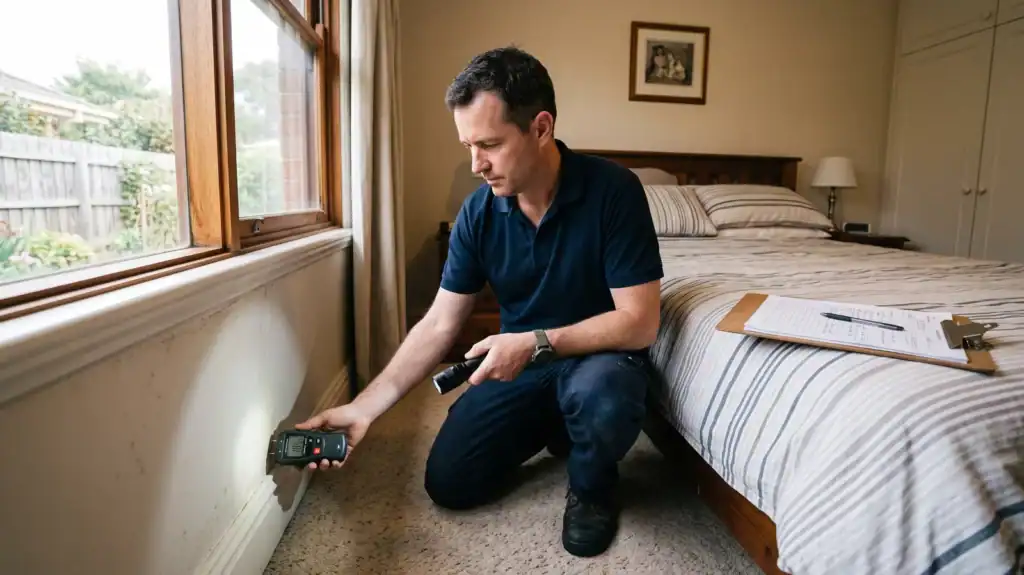
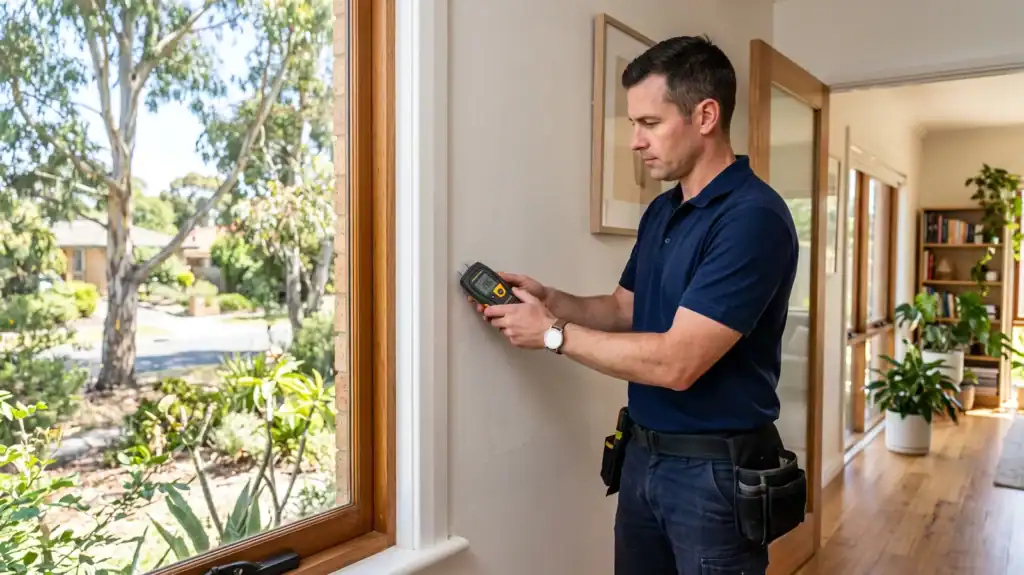
- Inspection and assessment. Check visible and likely hidden areas, then use moisture readings to find wet building materials and trace likely causes. Testing is used when it will change the remediation plan.
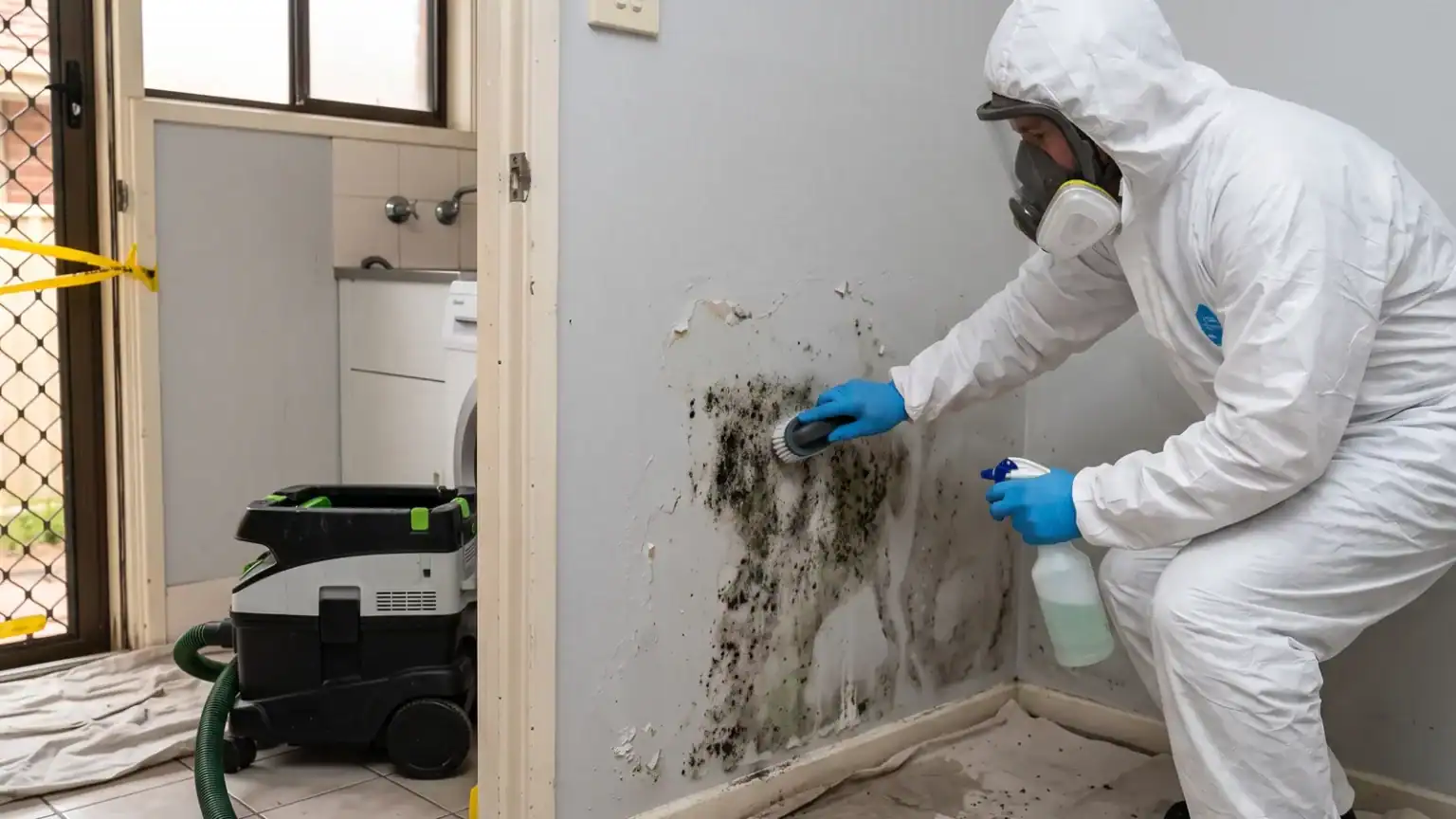
- Containment. Isolate the affected area to limit spores and contaminated dust spreading during treatment. This is the control missing from ordinary surface cleaning.
- Treatment. Apply an Australian-made, non-hazardous, non-corrosive and environmentally friendly antimicrobial solution that penetrates and treats mould within the substrate, then apply a protective coating to resist recolonisation.
- Moisture remediation. Fix the ventilation issue, seal the leak or address the condensation problem that caused the mould in the first place.
Mould and Hygiene Solutions backs every treatment with an unconditional 12-month mould-free guarantee. If the mould returns within that period, they retreat the area at no additional cost.
The real cost of leaving mould untreated
Whether professional mould removal is worth the cost depends on the extent and cause of the problem. A bottle of cleaner pays for surface cleaning, while professional work includes diagnosis, containment, treatment and a plan for the moisture source.
| Approach | What it includes | What remains unresolved |
|---|---|---|
| Repeated surface cleaning | Removal of visible marks on accessible surfaces | Hidden growth, contaminated porous material and the moisture source |
| Leaving mould untreated | No immediate work | A damp area can continue damaging paint, plasterboard, carpet or timber while the affected area becomes harder to define |
| Professional remediation | Assessment, containment, treatment and moisture-source recommendations | Any separate building repair identified during the inspection |
Mould can also affect people who are sensitive or allergic to its spores. NSW Health lists possible effects including a blocked or runny nose, eye or skin irritation and wheezing, and says inhaled spores can trigger an asthma attack in people with asthma.
For property owners across Lake Macquarie and the Hunter Valley, the potential cost lies in damage and repairs that repeated surface cleaning does not uncover. An inspection separates the mould treatment from any plumbing, roofing or ventilation work the property also needs.
When is DIY appropriate and when is it not
A small mark on a sealed, non-porous surface can be cleaned as a temporary measure. It is not a complete solution until the surface is dry and the source of moisture has been found and corrected.
DIY is not enough when:
- Mould covers more than a small, isolated patch
- Mould is on a porous material such as plasterboard, timber, carpet or fabric
- You have cleaned the same spot before and it returned
- There is a persistent musty smell that could point to hidden mould
- The area follows a leak, flooding or repeated condensation
- Someone in the property has asthma, allergies, a chronic lung condition or a weakened immune system
If any of those apply, start with an inspection. Where the source is unclear or the result will change the remediation plan, professional mould testing can clarify what is present.
How to tell if your mould problem needs a professional
Large areas of growth, recurring mould and damaged finishes usually need professional attention.
Musty odours and persistent condensation can also indicate a hidden problem:
- A persistent musty or damp smell, especially in a room with no visible mould
- Repeated condensation on windows or other cold surfaces
- Discolouration, bubbling paint or soft spots on walls and ceilings
- A history of roof, plumbing or drainage leaks near the affected area
An inspection should trace the source of moisture because dark marks can have different causes. Mould can sit on the back of plasterboard, above ceiling linings or beneath carpet, so the visible patch may not show the full extent.
Mould and Hygiene Solutions services Newcastle, the Central Coast, Lake Macquarie, Hunter Valley and Port Stephens. Book a professional mould inspection to get a clear picture of what is happening in your property.
The bottom line on professional mould removal
When mould returns after cleaning, the underlying moisture or growth within porous material may still need attention. That is the pattern professional mould remediation is designed to break.
Professional treatment is worth it when mould returns, affects porous material, may be hidden or is connected to an unresolved moisture problem. Those are conditions a bottle of surface cleaner cannot diagnose or correct.
Mould and Hygiene Solutions provides mould prevention and removal across Newcastle, the Central Coast and the Hunter Valley. Every treatment is backed by an unconditional 12-month mould-free guarantee.
Found recurring or hidden mould? Book a paid professional mould inspection before more surface cleaning disturbs the area or hides the extent of the problem.
Frequently asked questions
Is it safe to remove mould myself?
A small mark on a sealed, non-porous surface can be cleaned as a temporary measure, provided you use suitable protective equipment and dry the surface. Recurrent mould, porous material, hidden growth, water damage or a larger affected area needs professional assessment because disturbing it can spread contamination.
Can mould come back after professional removal?
Mould can return if the moisture source is not fixed. Professional services like Mould and Hygiene Solutions address the moisture issue as part of the treatment. Their unconditional 12-month mould-free guarantee means if it does return, they retreat at no extra cost.
Will bleach kill mould permanently?
No. Bleach can remove visible discolouration, but it does not diagnose or correct the moisture problem and is unreliable on porous material. If the damp conditions remain, mould can return.
How do I know if mould is behind my walls?
Clues include a persistent musty smell, a known leak, repeated condensation, bubbling paint and soft plasterboard. Moisture meters locate wet building materials where hidden growth may be present; they do not identify mould by themselves, so an inspector may also use a borescope, visual inspection or targeted sampling.
How long does professional mould removal take?
The timeframe depends on the affected area, the materials involved, whether containment is needed and what moisture or building repairs must happen first. After the inspection, you should receive a scope that separates the treatment time from drying and repair work.
Is mould removal covered by home insurance in Australia?
Coverage depends on the cause and wording of the policy: remediation linked to a sudden insured event may be treated differently from mould linked to gradual moisture or maintenance. Check your policy and speak with your insurer before making a claim.
Before booking, note where the mould appears, whether it has returned and any known leaks or condensation. That history helps the inspector trace the moisture source.