A small, accessible mould removal job may be completed in one day, while more involved work can take several days or longer. An inspection determines the full schedule, including drying and repairs.
If you are comparing a quick DIY clean with professional treatment, the visible stain only tells part of the story. Surface cleaning does not resolve hidden contamination or the moisture feeding it.
Before comparing timeframes: Understanding what professional mould removal actually involves helps you compare the work included. Treatment time, drying time and the date you can use the room again are separate questions.
How Long Does Mould Removal Take by Job Size
The time needed depends on the affected materials, access and drying requirements. A small visible patch can conceal a larger problem behind a wall, so area alone cannot determine the duration.
| Job scope | Planning guide, subject to inspection | What can extend it |
|---|---|---|
| Small, accessible affected area | A single treatment day may be possible | Hidden growth or damp material beneath the surface |
| One room with several affected surfaces | Allow for several days if drying or return visits are needed | Porous materials, access and moisture repairs |
| Multiple rooms or concealed contamination | A staged programme over several days or longer | Containment, removal of damaged materials and drying checks |
| Extensive water damage or post-flood work | May extend beyond a week; confirm the full scope first | Structural drying, replacement materials and separate trades |
These are planning descriptions, not guaranteed completion times or industry deadlines. Ask for a job-specific estimate that separates the technician's time on site from the full restoration period.
DIY cleaning can make a surface look better quickly without resolving contamination within porous material. A professional assessment checks whether that material can be cleaned or needs removal.
What Happens During Professional Mould Removal
The work usually involves the following stages, with equipment and containment selected for the job. A retail spray cannot replace this assessment and controlled removal process.
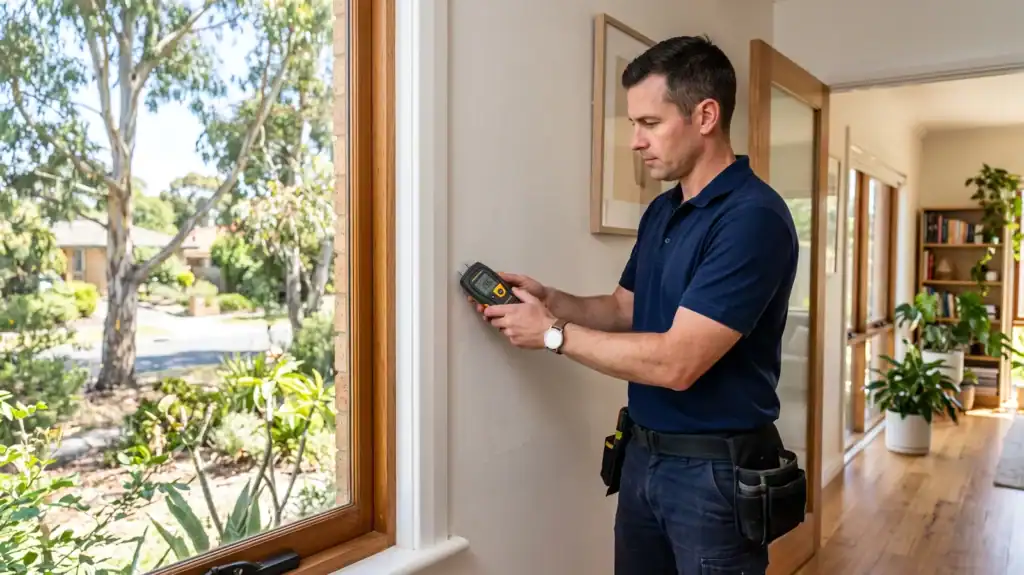
- Inspection and assessment. The technician checks the extent of visible growth, moisture and signs of hidden contamination; inaccessible cavities may need further investigation.
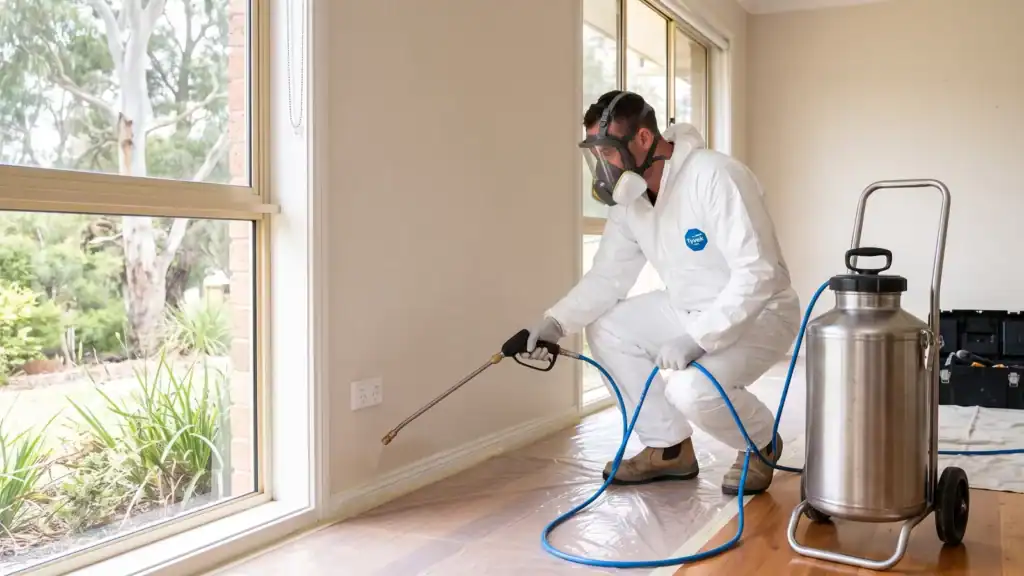
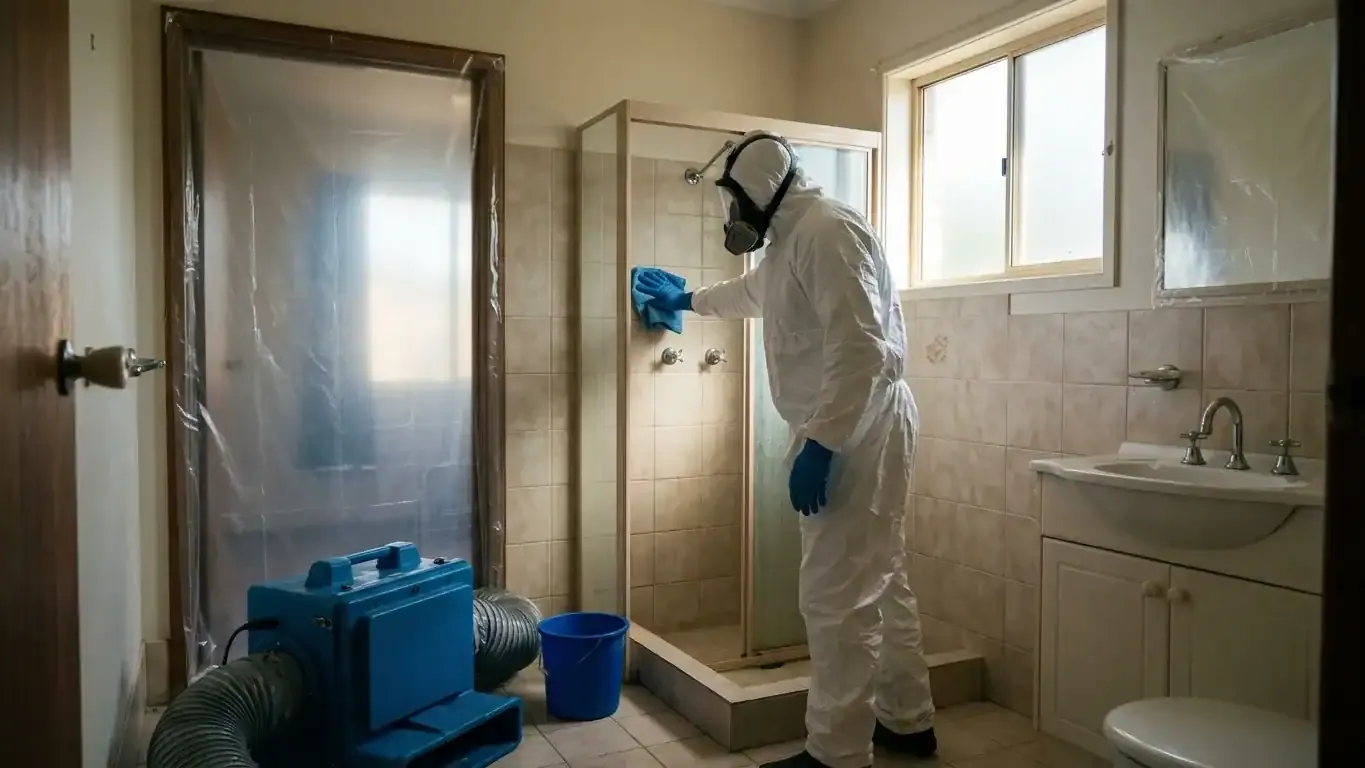
- Containment. Barriers and air controls are selected to limit the spread of contamination during work.
- Removal and treatment. Affected surfaces are cleaned and unsalvageable materials are removed where needed, rather than simply covering the staining.
- Air filtration and final cleaning. HEPA equipment is used where appropriate to manage particles released during the work.
- Drying and moisture repairs. Damp materials need assessment and drying, while leaks or other building defects may require a separate trade.
- Verification. The technician reviews the completed work and any outstanding moisture or repair issues before handover.
Do not confuse inspection with automatically finding every concealed patch. Confirm which spaces can be accessed, what the assessment includes and whether further investigation is necessary before agreeing to the schedule.
What Affects How Long Mould Removal Takes
The size of the visible patch matters, but materials and moisture can have a bigger effect on the schedule. Wiping the surface does not tell you whether the wall or floor underneath is dry.
- Extent of contamination. Several rooms require more work than one accessible surface, and discoveries during removal can change the scope.
- Type of material. Glass and glazed tiles are easier to clean than porous plasterboard, insulation or carpet, which may need replacement.
- Accessibility. Growth inside a wall, roof space or subfloor adds access and investigation work.
- Moisture source. An active roof leak, plumbing fault or persistent condensation needs a plan for repair or control.
- Drying conditions. Wet framing and enclosed cavities can need ongoing equipment and moisture checks, even after visible growth is removed.
Ask what the quoted duration includes. Confirm whether it covers drying, waste removal, verification and building repairs, or only the treatment visit.
Mould colour alone does not set the timetable. The inspection needs to establish the affected materials and conditions, rather than assigning a treatment duration from a photograph.
Why DIY Mould Removal Fails to Address the Cause
Trying to clean a mouldy wall before calling someone is understandable. The problem starts when a cleaner-looking surface is mistaken for a resolved moisture problem.
Retail products do not repair leaks, dry a wall cavity or remove contaminated insulation. Repeated cleaning leaves those causes unaddressed.
- Hidden contamination remains. A surface wipe cannot remove growth on the back of plasterboard or inside a cavity.
- Disturbance spreads particles. Scrubbing or pulling out affected materials without suitable controls can disperse spores.
- Moisture keeps feeding growth. No supermarket cleaner fixes a leaking roof or a persistent condensation problem.
- Repeat work adds disruption. Cleaning the same patch again delays finding out whether deeper treatment or material replacement is needed.
There is no dependable countdown to regrowth after DIY cleaning. The moisture conditions and contamination left behind determine whether it returns.
How Professional Treatment Addresses the Cause
Mould and Hygiene Solutions uses an Australian-made, non-hazardous, non-corrosive and environmentally friendly antimicrobial solution as part of its professional treatment. The treatment also includes controlled cleaning, moisture investigation and removal of materials that cannot be salvaged.
The antimicrobial is part of the work, rather than a substitute for removing contamination and addressing dampness. Mould and Hygiene Solutions backs its treatment with a 12-month mould-free guarantee; ask how the guarantee applies to your property and the moisture issues identified.
- Get a defined scope for professional mould removal for the affected areas.
- Confirm who will resolve leaks or building defects and when those repairs will happen.
- Discuss mould prevention measures for recurring dampness before the job is signed off.
When comparing whether professional mould removal is worth the money, consider the scope of work and follow-up, alongside the disruption involved.
When You Can Return After Mould Treatment
Re-entry cannot be set by a universal 24-hour or 48-hour rule. Follow the technician's instructions for the products used, containment, ventilation and remaining work.
- Ask whether you can use unaffected rooms while treatment is underway.
- Keep people and pets out of the work area until the technician releases it.
- Discuss asthma, allergies or a weakened immune system before work starts so occupancy arrangements can be considered.
- Confirm whether drying equipment must keep running after the treatment visit.
A product described as non-hazardous does not make an active remediation area suitable for occupancy.
Check the return time before booking. Ask for separate advice on access during treatment and occupancy afterwards, particularly if you need to arrange accommodation or keep a business operating.
What Happens When You Delay Mould Removal
Continued dampness can affect more materials and increase the work required. A quick surface clean does not stop an ongoing leak.
- Ongoing leaks can leave more building material wet and increase the eventual scope of work.
- Damaged porous materials may need replacement instead of cleaning.
- Waiting can mean coordinating drying, remediation and building repairs together.
- A freshly wiped patch can conceal the need for an assessment without stopping the underlying problem.
NSW Health's mould guidance says moisture control is needed to prevent recurrence and advises discarding materials that cannot be fully cleaned and dried. It also identifies irritation and asthma attacks as possible effects in susceptible people.
Booking an inspection gives you a clearer scope before organising trades or time away.
Frequently Asked Questions
Can mould be removed in one day?
A small, accessible job may fit into one day if the material is salvageable and no extended drying is required. Confirm this after inspection rather than assuming a small visible patch means a short job.
Is it safe to stay home during mould removal?
That depends on the work area, containment and occupants' needs. Ask the technician whether unaffected rooms can remain occupied or temporary relocation is needed.
How long before mould grows back after treatment?
There is no fixed regrowth interval, and recurring moisture can support new growth. Mould and Hygiene Solutions offers a 12-month mould-free guarantee, so discuss moisture repairs and its application at inspection.
Does the surface affect how long removal takes?
Yes, accessible non-porous surfaces are generally easier to clean than porous or damaged materials. Plasterboard, carpet or insulation may need removal, extending the work beyond a treatment visit.
What is the longest a mould removal job can take?
There is no fixed maximum for extensive water damage. Hidden contamination, structural drying and rebuilding can extend the project beyond a week, so request a staged schedule with review points.
Should I clean mould before the professional arrives?
Leave affected materials undisturbed and ask the technician what preparation is needed. Avoid dry brushing, sanding or opening a suspect wall cavity yourself.
Does the drying time count as mould removal time?
Ask whether drying is included in the quoted programme or managed separately. The US EPA's remediation guidance treats cleaning, drying and fixing the moisture problem as necessary parts of remediation.
Can I paint the wall straight after treatment?
Wait until cleaning and drying are complete and the technician confirms the surface is ready for the next trade. Painting over unresolved contamination or dampness does not fix the cause.
How can I prepare without spreading mould?
Provide access instructions, photographs and details of previous leaks or cleaning attempts when booking. Ask before moving affected furniture or belongings through clean rooms.
If mould has appeared in your home or business, book a professional mould inspection to confirm the scope and timeframe with Mould and Hygiene Solutions. The team services Newcastle, the Central Coast, Lake Macquarie, Hunter Valley and Port Stephens.