Mould can appear to be removed from clothes using hot water washes, borax or oxygen bleach, but these DIY methods only address surface contamination while leaving roots intact. Heavily affected items should be discarded, and recurring mould on clothing indicates a serious underlying moisture problem requiring professional assessment.
Discovering how to get mould out of clothes is a common concern for homeowners across Newcastle, the Central Coast, and the Hunter Valley. Mould on clothing not only creates unsightly stains and unpleasant odours, but it can also trigger allergic reactions and respiratory symptoms.
Before attempting any cleaning methods, understand that mouldy clothes are often one of several warning signs of mould toxicity in your home. The following temporary steps may help salvage lightly affected garments, but even knowing how to clean mould from surfaces will not address the underlying environmental issues that allowed it to develop.
Understanding Why Mould Grows on Clothes
Mould spores are naturally present in the air and will settle on fabric and clothing when conditions are favourable. Clothing left damp, stored in humid spaces, or kept in poorly ventilated wardrobes provides the perfect environment for mould colonies to establish themselves.
Common scenarios that lead to mouldy clothing include:
- Leaving wet washing in the machine for extended periods
- Storing clothes while still slightly damp
- Wardrobes built against external walls with poor insulation
- Inadequate ventilation in laundries and bedrooms
- Leaking roofs or walls allowing moisture into storage areas
- High humidity levels during coastal weather events
According to NSW Health, exposure to mould can cause symptoms ranging from mild skin irritation to serious respiratory conditions. This makes proper handling and removal of mouldy items particularly important for vulnerable family members.
How to Get Mould Out of Clothes: Step-by-Step Methods
The success of any temporary mould removal method depends on how long the mould has been present and the type of fabric affected. Natural fibres like cotton and linen are generally more resilient to cleaning than delicate synthetics or wool, though DIY treatments remain surface-level solutions.
Before You Start: Take the garment outside and brush off visible dry spores with a stiff brush before bringing it near your laundry, as this prevents scattering millions of spores through your home. If conditions allow, hang the item in direct sunlight for two to three hours first, since UV light kills surface mould spores and reduces the load before wet treatment.
Critical Warning: DIY methods only remove surface mould that you can see, leaving the underlying roots and spores deep within fabric fibres. This is why mould often returns to the same garments after washing, and why items stored near treated clothing frequently develop mould problems.
Why DIY Mould Removal on Clothes Fails
Homeowners attempting to clean mouldy clothes themselves face three fundamental problems that guarantee disappointing results:
- Surface treatment only: Household products cannot penetrate fabric fibres to kill mould roots, meaning regrowth is inevitable once conditions become favourable again
- Spore dispersal: Brushing, washing and handling mouldy clothes releases millions of spores throughout your laundry, bedroom and ventilation system, spreading contamination to previously unaffected areas
- No environmental control: Cleaning individual garments does nothing to address the moisture, humidity or ventilation issues that caused mould growth in the first place
Hot Water Washing
For washable fabrics, hot water is often recommended as a first attempt. Check the care label before proceeding, as some materials cannot tolerate high temperatures and this method only provides temporary cosmetic improvement.
- Take items outside and brush off visible mould spores with a stiff brush
- Place garments in the washing machine without overloading
- Select at least 60°C if the care label allows it, as mould struggles to survive above this temperature
- Use a quality detergent and run a complete wash cycle
- Dry clothes completely in direct sunlight when possible, as UV light helps destroy remaining spores on the fabric surface
This approach may remove visible staining but leaves mould roots embedded in the fabric. You will likely find the same garments developing mould again within weeks or months.
White Vinegar and Baking Soda
White vinegar is a mild acid that can kill some surface mould species, while baking soda absorbs moisture and odour. Together they are one of the most commonly recommended household treatments for mouldy clothes.
- Mix two parts baking soda with one part white vinegar to form a paste
- Apply the paste directly to visible mould stains and leave for 20 to 30 minutes
- Alternatively, add one cup of white vinegar to the washing machine drum before running a hot cycle
- For stubborn stains, soak the garment in a bucket of warm water with half a cup of vinegar for one to two hours before washing
Vinegar can lighten or discolour certain fabrics, so test on an inconspicuous area first. Like all DIY methods, this treatment addresses surface mould only and will not prevent regrowth if the underlying moisture problem remains.
Safety Warning: Never mix vinegar with chlorine bleach. This combination releases toxic chlorine gas. If switching between treatments, wash the garment in plain water first before applying a different product.
Borax Treatment
Borax is a natural mineral compound sometimes used for surface mould treatment. Mix half a cup of borax with hot water in your washing machine and soak affected items for at least one hour before running a normal wash cycle.
Like other DIY methods, borax cannot penetrate deep enough to eliminate mould roots. This makes it an inadequate solution for anything beyond very light, fresh surface contamination.
Oxygen Bleach Solution
Oxygen bleach (sodium percarbonate) is gentler on fabrics than chlorine bleach and safer for coloured garments. Follow the product instructions carefully, typically dissolving the powder in warm water before adding clothes for a pre-soak.
While less damaging than chlorine bleach, oxygen bleach still only addresses visible mould staining. The underlying contamination remains untouched, ready to resurface when humidity levels rise.
Important: Chlorine bleach is frequently suggested for mould removal, but it only masks the problem by removing colour from mould stains without killing roots. Bleach does not eliminate mould and can damage fabric fibres, making it a purely cosmetic measure that fails to prevent recurrence.
Which Method Works for Your Fabric
Not every treatment suits every fabric. Using the wrong method risks damaging the garment on top of failing to eliminate mould.
| Fabric Type | Safe Methods | Avoid |
|---|---|---|
| Cotton and linen | Hot water (60°C), borax, oxygen bleach, vinegar | Chlorine bleach on coloured items |
| Synthetics (polyester, nylon) | Warm water (30–40°C), vinegar soak, oxygen bleach | Hot water above 40°C, chlorine bleach |
| Wool | Cold water hand wash, mild detergent only | Hot water, bleach, borax, machine agitation |
| Silk and delicates | Professional dry cleaning only | All DIY chemical treatments |
| Coloured garments | Oxygen bleach, vinegar (test first) | Chlorine bleach (strips colour) |
For wool and silk, professional dry cleaning is the safest option. DIY chemical treatments risk permanent fabric damage on delicate fibres, and even the safest methods leave mould roots intact.
Clean Your Machine Afterwards: Washing mouldy garments leaves spores inside the drum, door seal and drainage system. Run an empty hot cycle with white vinegar or a washing machine cleaner immediately after treating mouldy clothes. Otherwise the next load picks up the contamination.
DIY Methods vs Professional Mould Removal: A Comparison
Understanding when to abandon ineffective home treatment and seek help from Mould and Hygiene Solutions can save you time, money and potential health exposure.
| Factor | DIY Methods | Professional Treatment |
|---|---|---|
| Effectiveness | Works on light surface mould only, leaves roots intact | Addresses mould at root level with Australian-made, non-hazardous antimicrobial solution |
| Time Investment | Multiple wash cycles with frequent failures | Complete service with ongoing protection |
| Health Risk | Direct exposure to spores during handling | Professionals use proper PPE and containment |
| Recurrence | Almost certain without addressing environmental causes | Backed by 12-month mould-free guarantee |
| Cost | Low upfront, expensive when mould spreads | Investment in long-term prevention |
Rather than wasting time and money on products that cannot eliminate mould roots, professional treatment with an Australian-made, non-hazardous, non-corrosive and environmentally friendly antimicrobial solution addresses contamination at the source. Mould and Hygiene Solutions backs this approach with an unconditional 12-month mould-free guarantee.
If mould returns within 12 months of treatment, the team will return to retreat the affected areas at no additional cost.
When to Discard Mouldy Clothing
Some garments are beyond saving and pose ongoing health risks if kept. Dispose of clothing if you notice:
- Heavy mould coverage across large sections of the garment
- Black mould (Stachybotrys) which can produce harmful toxins
- Fabric deterioration or disintegration in affected areas
- Persistent musty odour after multiple wash attempts
- Mould growth that has penetrated deep into fabric layers
Seal discarded items in plastic bags before disposal to prevent spore dispersal.
Preventing Mould Growth on Clothes
Prevention requires addressing environmental conditions, not just treating individual garments. Small changes to your laundry and storage habits may reduce mould development, but they cannot eliminate it if underlying moisture and ventilation problems remain unresolved.
- Remove washing from the machine immediately after the cycle finishes
- Ensure clothes are completely dry before folding or hanging in wardrobes
- Install ventilation fans in laundries and ensure they vent to the outside
- Leave wardrobe doors slightly open to allow air circulation
- Use moisture-absorbing products in enclosed storage spaces
- Avoid storing clothes in plastic containers that trap moisture
- Address any leaks or water damage immediately
- Maintain indoor humidity between 30 and 50 per cent using dehumidifiers if necessary, as recommended by the National Asthma Council Australia
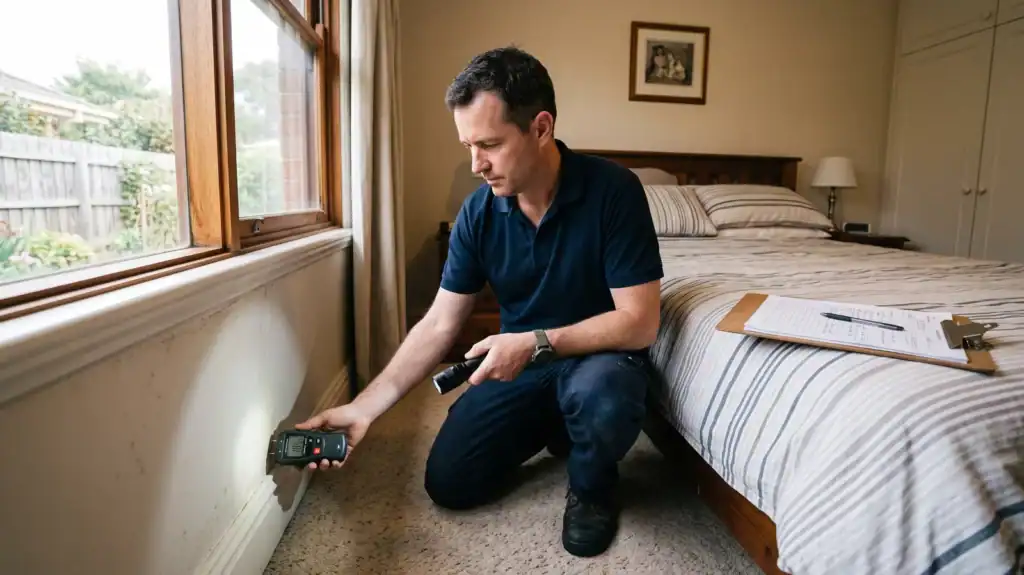
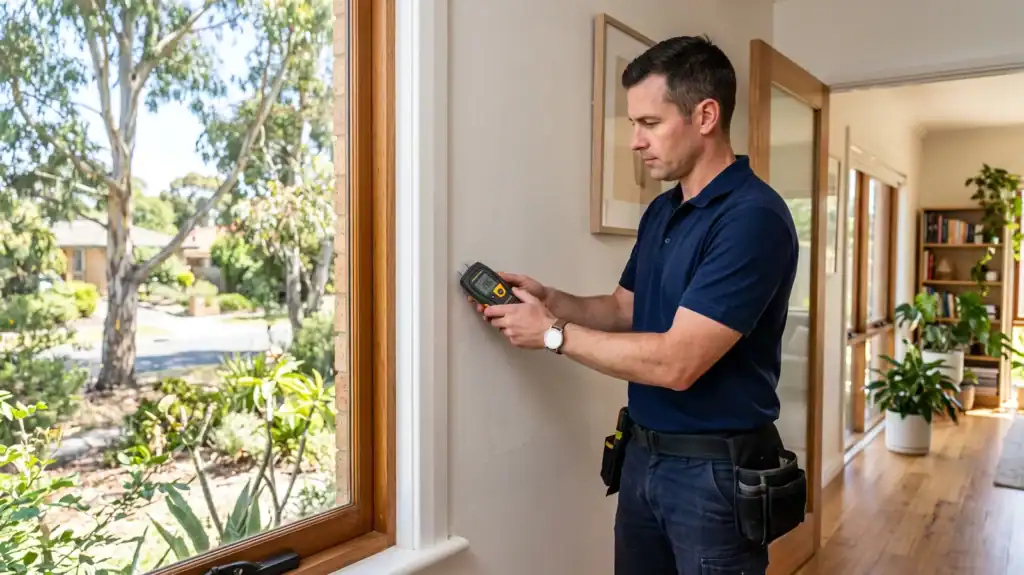
Professional mould inspections can identify hidden moisture sources and ventilation problems before they lead to widespread contamination.
Addressing the Underlying Mould Problem
Finding mould on clothes always indicates an environmental issue that requires professional attention. Common household issues that contribute to mould growth include:
- Inadequate exhaust fans in bathrooms and laundries
- Poor roof or wall insulation creating condensation points
- Blocked or damaged guttering causing water ingress
- Rising damp from compromised floor membranes
- Air conditioning units that are not properly maintained
- Overgrown vegetation restricting airflow around the building
Professional mould testing can identify the specific species present in your home and determine the extent of contamination. This information guides targeted mould remediation strategies that address both visible growth and hidden colonies.
The World Health Organization recognises indoor mould exposure as a significant health concern, particularly for children, elderly individuals and those with compromised immune systems.
Frequently Asked Questions
Can mouldy clothes make you sick?
Wearing or handling mouldy clothes can trigger allergic reactions, skin irritation and respiratory symptoms. Direct skin contact with actively mouldy fabric can also cause contact dermatitis, persistent itching and rashes.
People with asthma or weakened immune systems are particularly vulnerable. According to NSW Health, prolonged mould exposure can cause serious respiratory conditions.
Does vinegar kill mould on clothes?
White vinegar can kill some surface mould species on fabric, but it cannot reach mould roots embedded deep within fibres. It works best as a pre-soak or wash additive for lightly affected garments.
What temperature kills mould on clothes?
Washing at 60°C or above can kill surface mould on fabrics that tolerate high heat. Always check the garment’s care label first. Even hot washing leaves mould roots intact within the weave of the fabric.
Should you throw away clothes with mould?
Heavily contaminated garments, items with black mould (Stachybotrys), or clothes where the fabric has begun to deteriorate should be discarded. Lightly affected items on sturdy fabric may be worth cleaning, but if mould returns after washing, the garment should go.
Why do my clothes keep getting mouldy?
Recurring mould on clothes is almost always caused by an underlying moisture or ventilation problem in your home. Common culprits include poor wardrobe airflow, leaks behind walls and high indoor humidity. A professional mould inspection can identify the source.
Is black mould on clothes dangerous?
Black mould (Stachybotrys chartarum) can produce mycotoxins that pose health risks with prolonged exposure. If you find black mould on clothing, avoid handling without gloves and discard heavily affected garments. Black mould on clothes often indicates a serious moisture problem elsewhere in the home that requires professional assessment.
Can I wash mouldy clothes with other clothes?
No. Washing mouldy garments alongside clean clothes spreads spores to the entire load. Always wash contaminated items separately, then run an empty hot cycle with vinegar or a machine cleaner to flush spores from the drum and door seal before your next regular wash.
Does sunlight kill mould on clothes?
Direct sunlight helps kill surface mould spores through UV exposure. Hanging affected garments outdoors in strong sunlight for two to three hours before washing reduces the spore load, but it does not reach mould roots embedded within the fabric. It is a useful first step, not a standalone fix.
Will mould come back on clothes after washing?
In most cases, yes. Washing removes visible mould staining but leaves roots alive inside the fabric weave. More importantly, washing does nothing about the moisture or ventilation problem that caused the mould in the first place. Until the environment changes, the same garments will keep developing mould.
How do I get the musty smell out of clothes?
A persistent musty smell means mould has penetrated deep into the fabric, and soaking in white vinegar for one to two hours before a hot wash can reduce the odour. If the musty smell persists after multiple washes, the garment should be discarded as the smell is caused by mycotoxins and volatile organic compounds released by active mould colonies.
Book a Professional Mould Inspection
If you are repeatedly finding mould on clothes or noticing musty odours in your home, DIY cleaning attempts will only waste time and money. Mould and Hygiene Solutions offers professional mould prevention services that address the root causes of moisture and contamination with an Australian-made, non-hazardous, non-corrosive and environmentally friendly antimicrobial solution.
The team services homes and businesses throughout Newcastle, the Central Coast, Lake Macquarie, Hunter Valley, Maitland and Port Stephens. Their unconditional 12-month mould-free guarantee means you can trust the treatment to deliver lasting results that DIY methods simply cannot match.
Do not let mould damage your belongings or compromise your family’s health. Book your mould inspection today and take the first step towards a healthier, mould-free home.